
Utility peaks without context
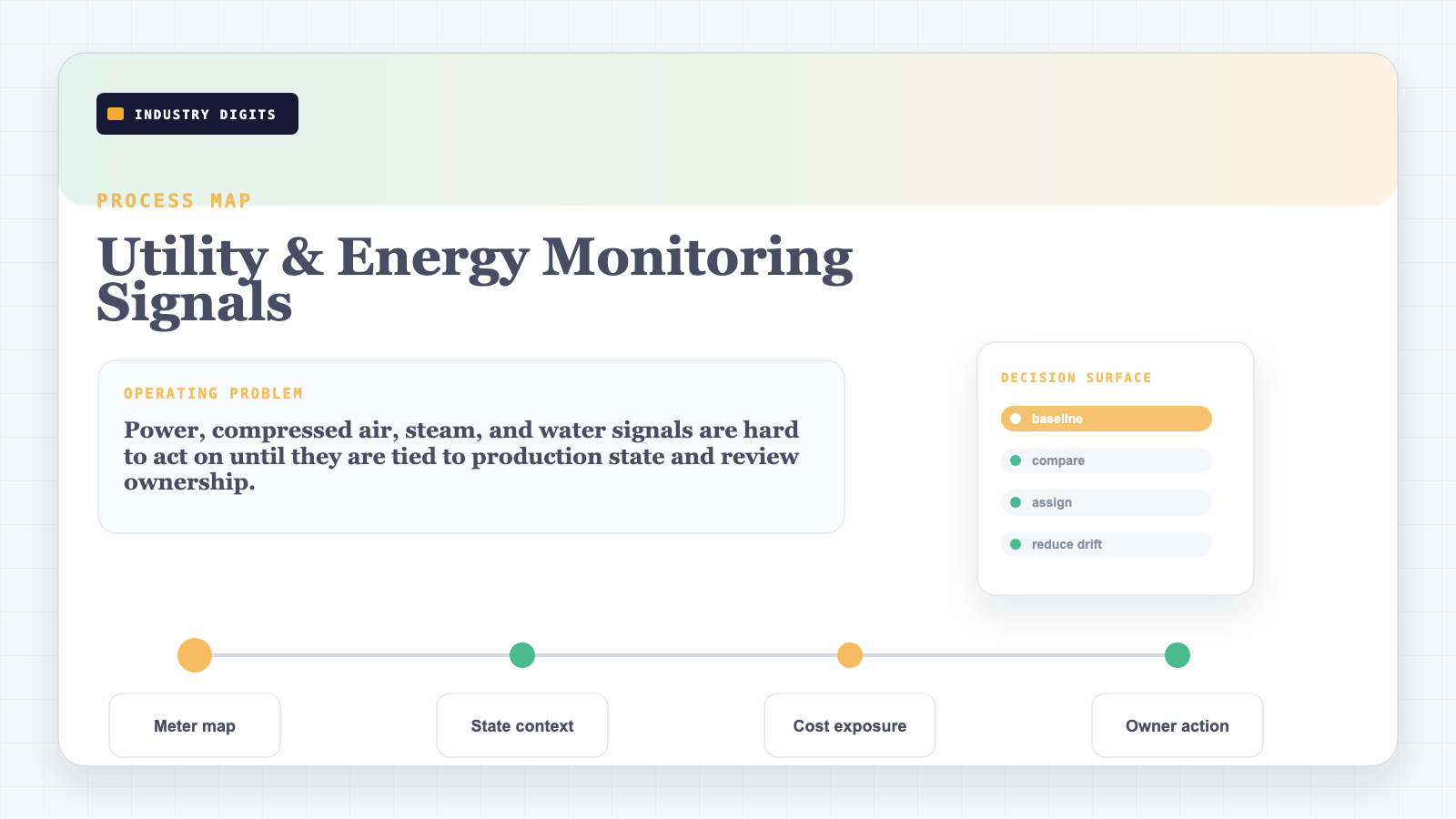
Energy or utility spikes are visible, but not connected to production state, machine state, or maintenance condition.
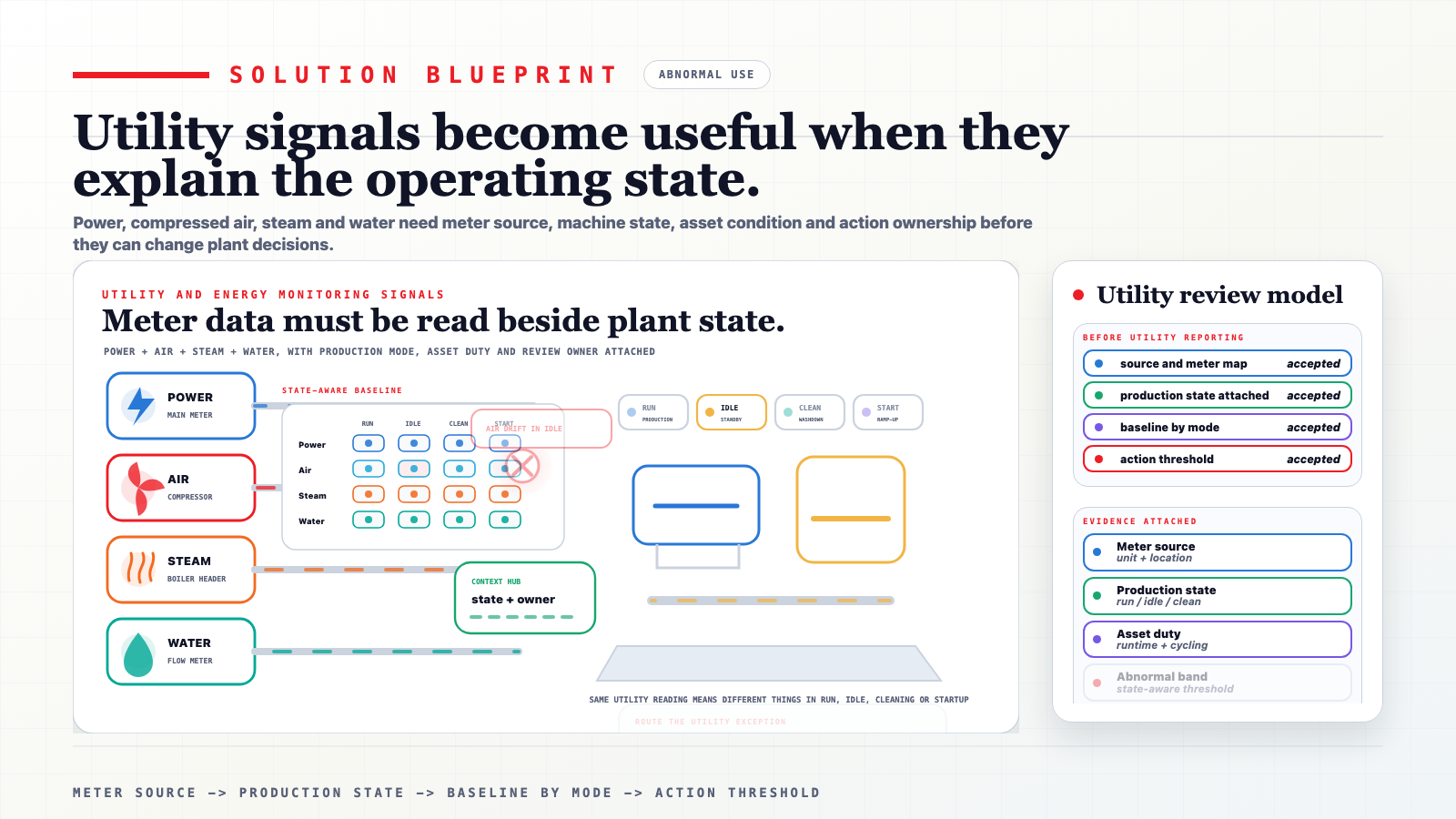
Energy or utility spikes are visible, but not connected to production state, machine state, or maintenance condition.
Monthly consumption reports exist, but no one owns the review cadence or action threshold.
Leaks, compressor cycling, steam loss, or water use grows slowly and becomes normal.
A utility asset draws more energy because condition, duty, or control behavior is degrading.
These stages are planning ranges. The real cadence depends on plant access, signal quality, risk, and ownership.
Choose one utility domain, identify source signals, define production context, and agree what action the review should trigger.
Connect meter or equipment signals with production state, run hours, and first abnormal-use bands.
Run recurring reviews, document findings, create assumption-backed cost models, and decide whether to expand the utility scope.
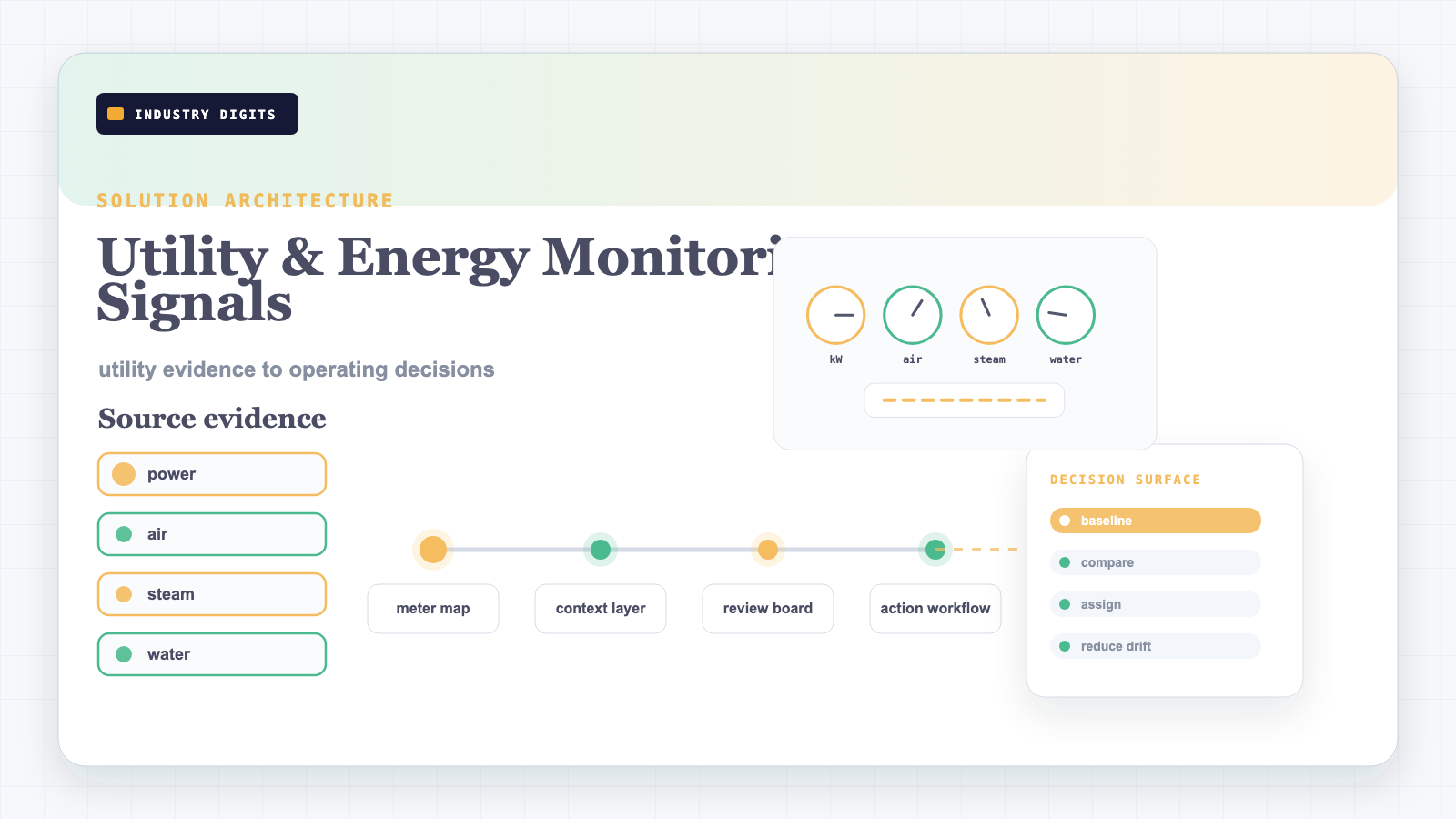
Each signal needs ownership, unit, context, quality, and review logic. Without that contract, dashboards and alerts become fragile.
Show how utility signals become useful when connected to production state, asset condition, review cadence, and action thresholds.
Utility data arrives too late unless it is tied to operating context.
State-aware baselines separate normal from waste.
Reports need owners and action thresholds.
Energy intelligence works when someone can change the next decision.
Field guides and standards references that deepen the methods this blueprint depends on.
 Energy & Power
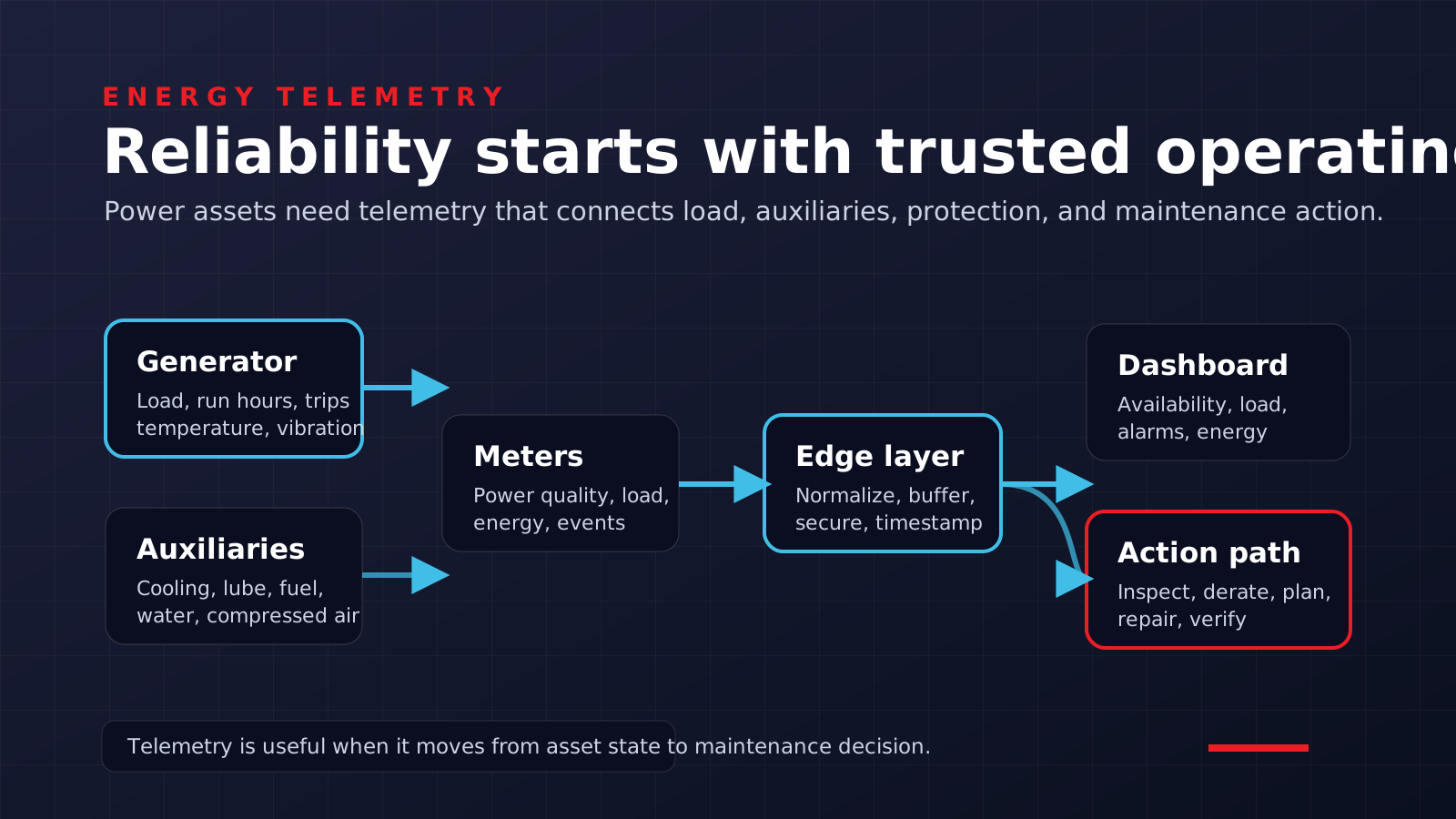
 A practical reliability guide for power generation and energy assets where automation, IIoT telemetry, and condition monitoring must protect continuity.
 IIoT
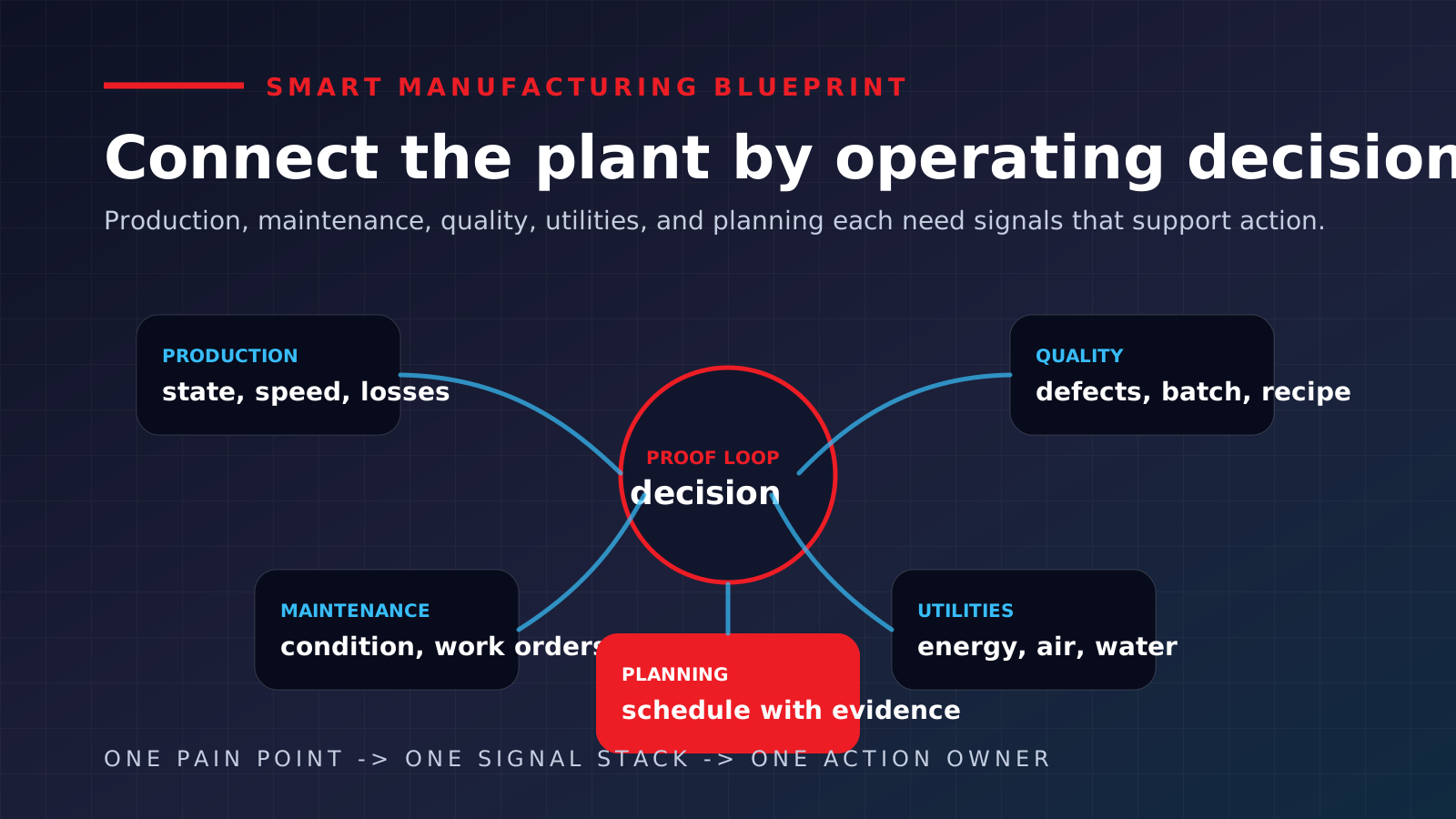
IIoT A grounded smart manufacturing blueprint for connecting production, maintenance, quality, utilities, and planning without overclaiming transformation.
 IIoT
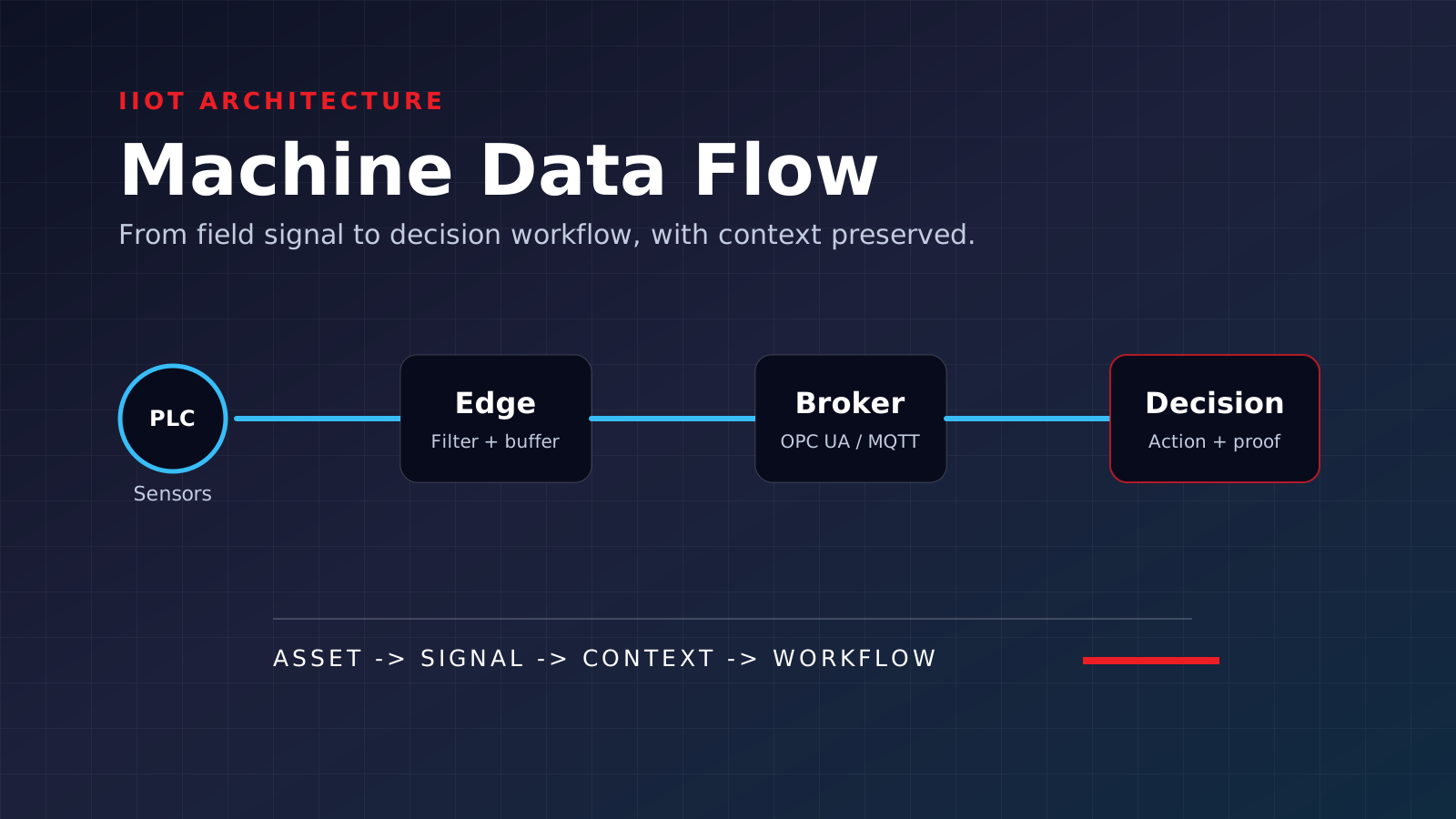
IIoT A refined IIoT architecture guide for turning machine signals, PLC data, and sensor context into decisions that improve uptime, maintenance, energy, and production confidence.
 Condition-Based Monitoring
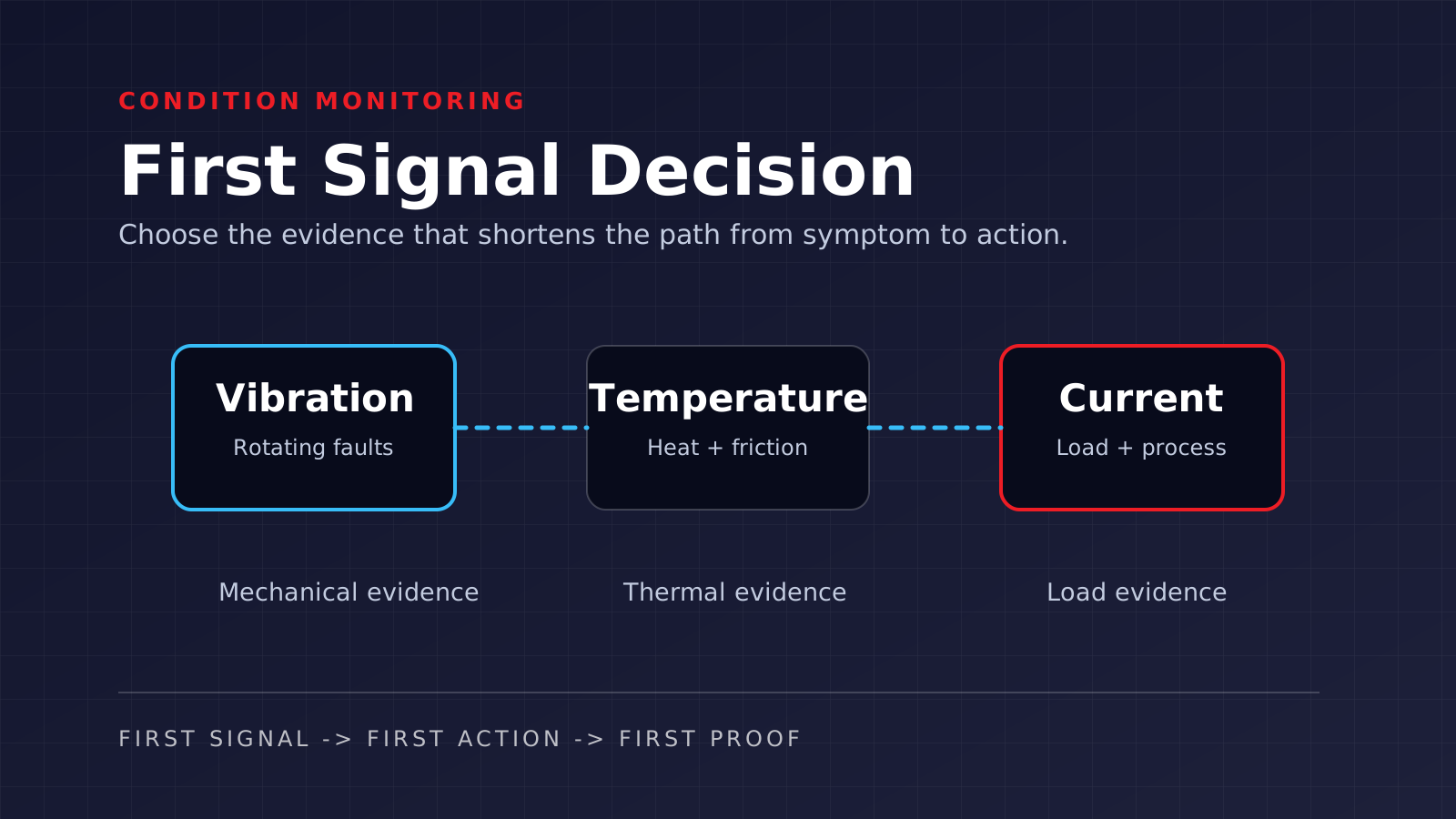
 A condition monitoring decision guide for choosing the first signal that builds trust, protects maintenance capacity, and gives earlier warning on critical assets.
 Condition-Based Monitoring
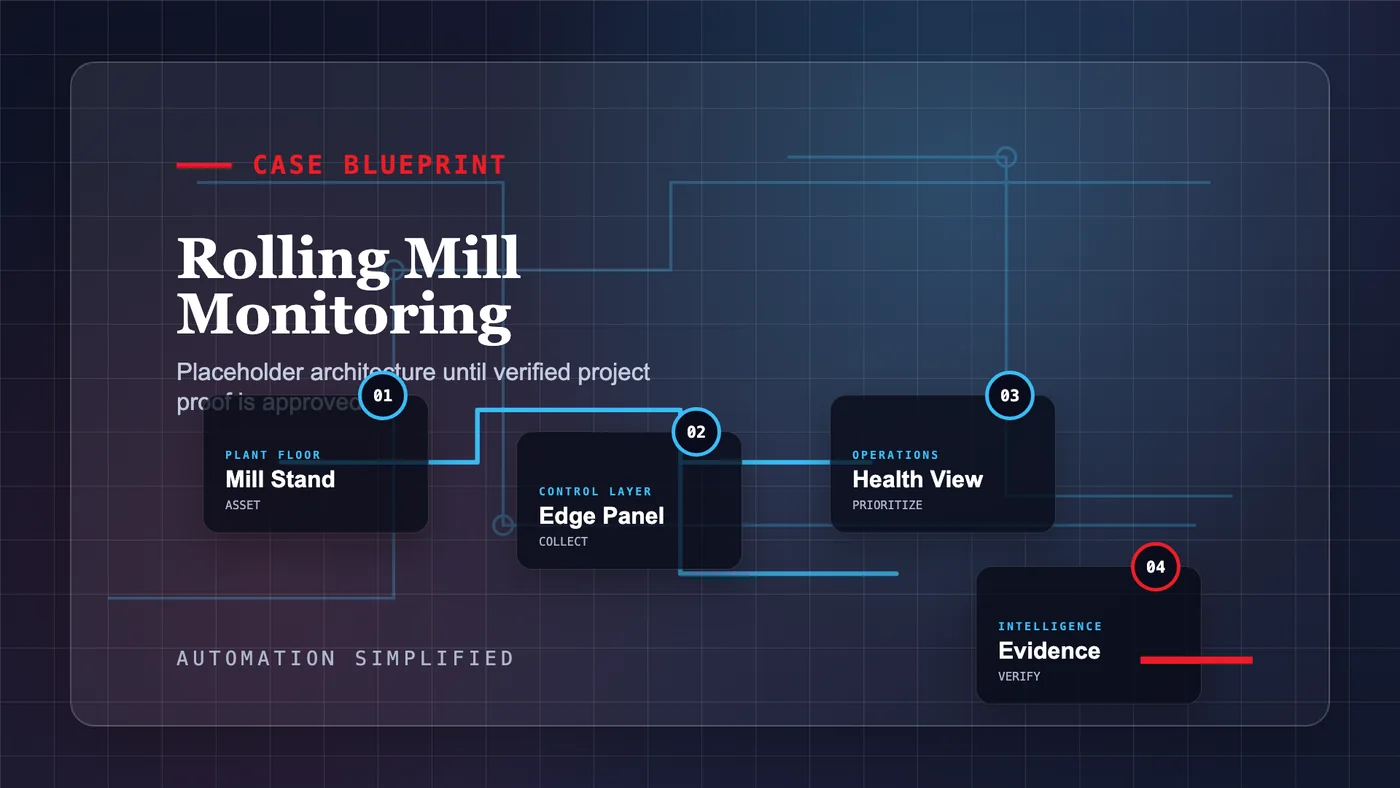
 A technical review of journal-bearing monitoring in sheet metal reduction lines, connecting roll force, viscosity, lubricant feed condition, oil cleanliness, temperature, vibration, and maintenance action.
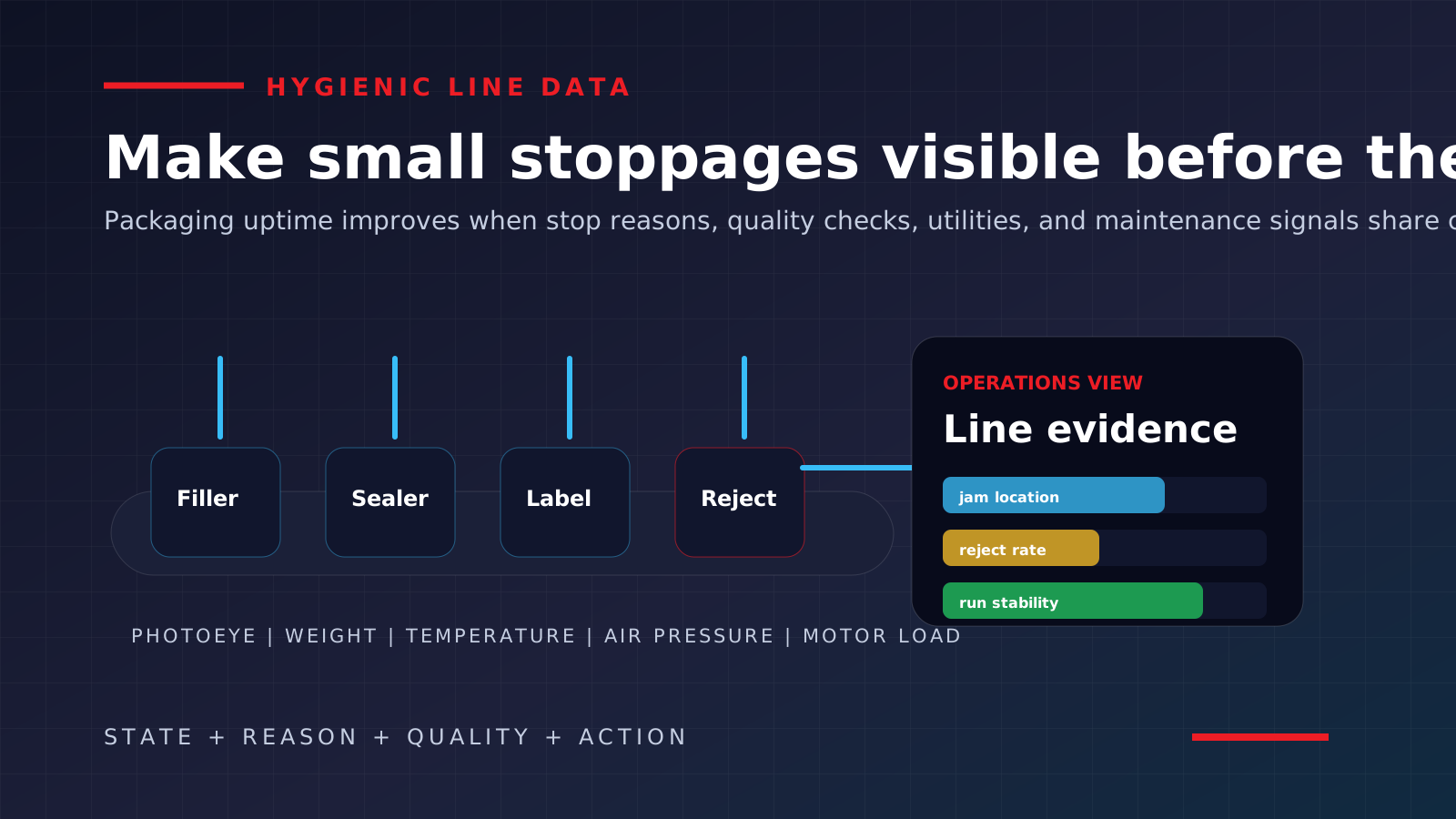 Industrial Automation
 How food and beverage plants can use automation, IIoT, and condition monitoring to improve uptime, hygiene, quality, and packaging reliability without overcomplicating operations.
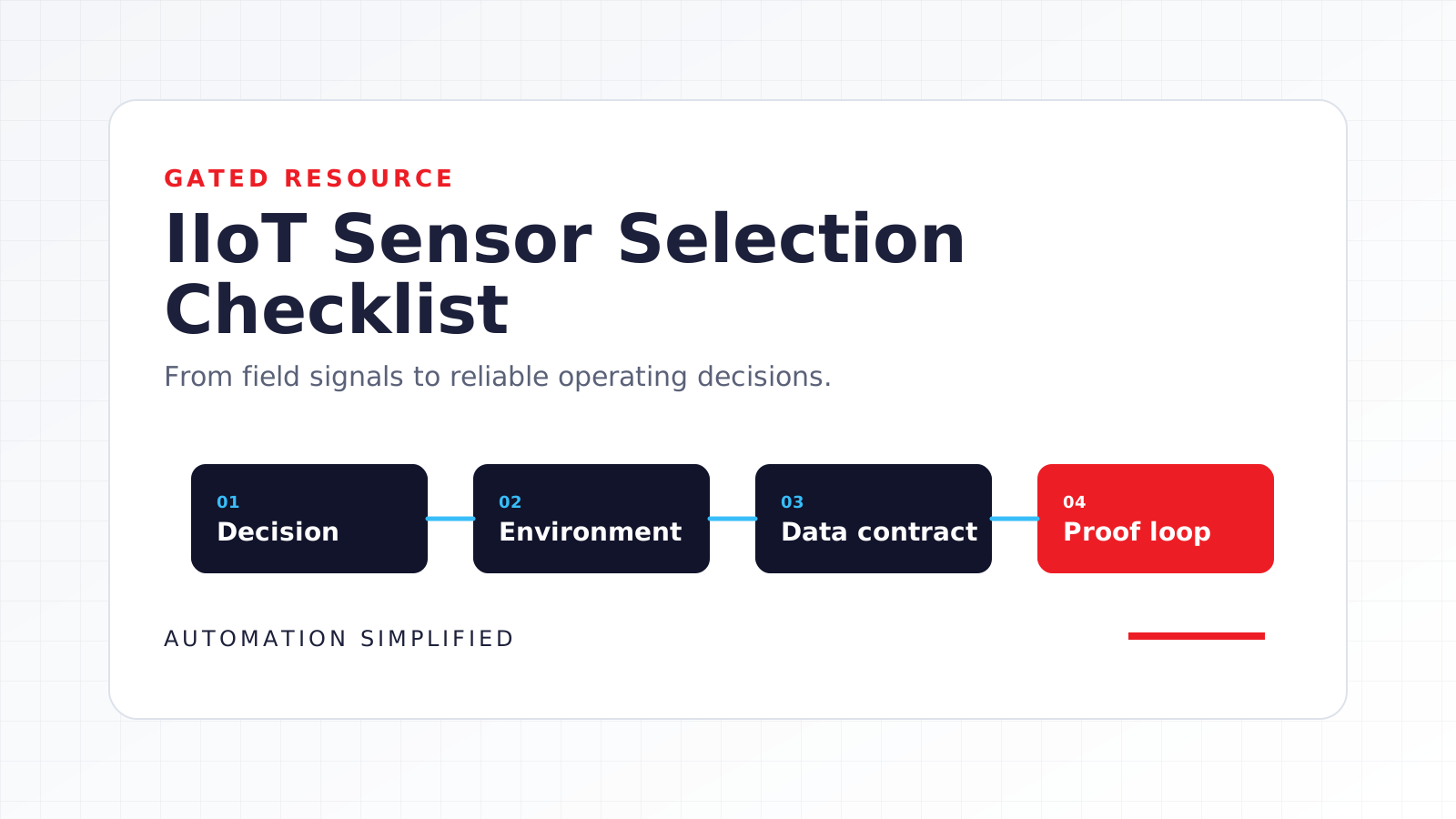 IIoT
IIoT A gated resource for selecting IIoT sensors, transducers, and switches that can survive the plant environment and support reliable operating decisions.
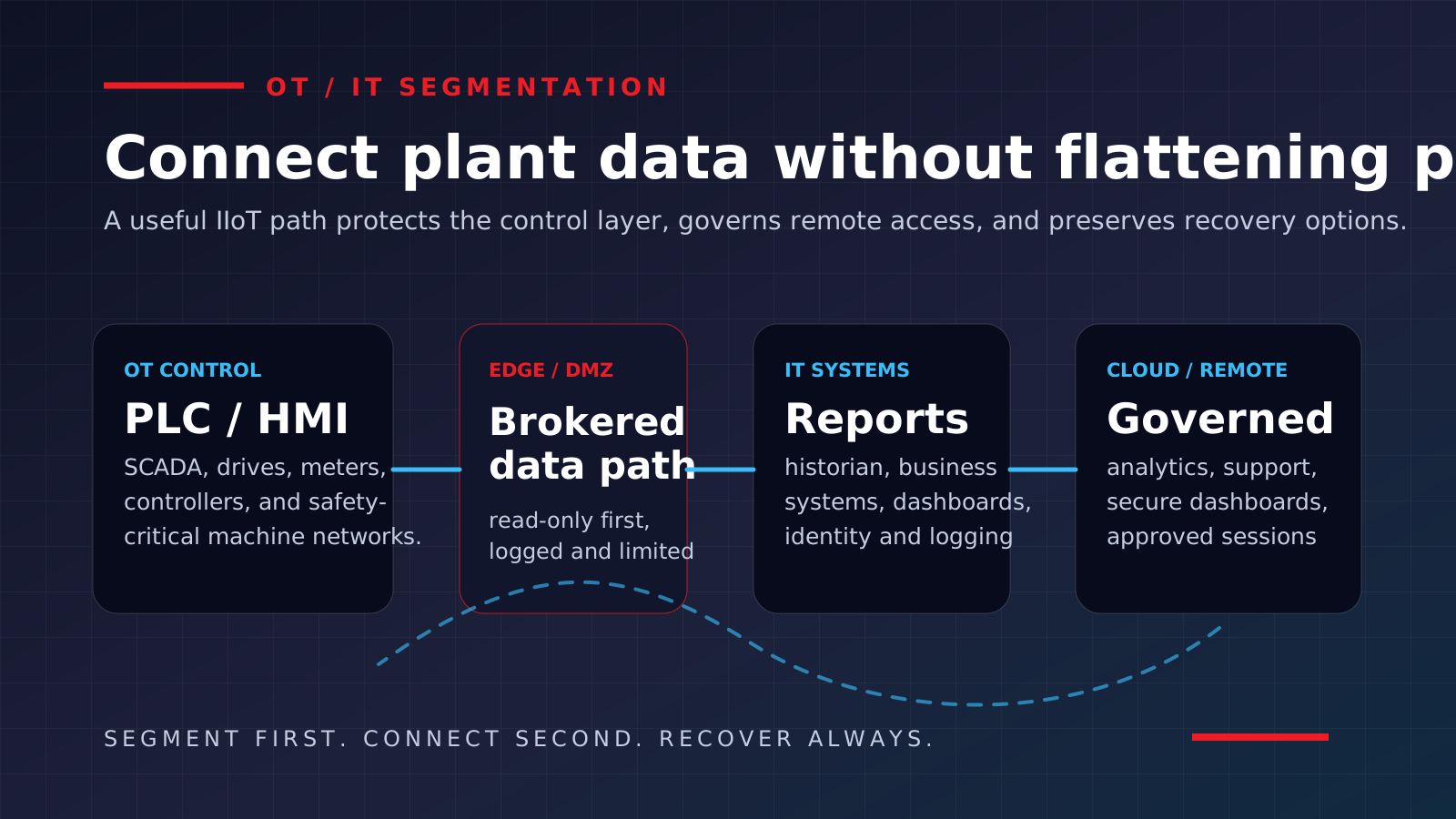 Industrial Cybersecurity
 A practical continuity-first guide for securing PLCs, SCADA, IIoT gateways, historians, cloud dashboards, and remote support paths without slowing useful modernization.