
Direct PLC access pressure
Dashboards, vendors, or cloud tools ask for access before read-only paths and ownership are clear.
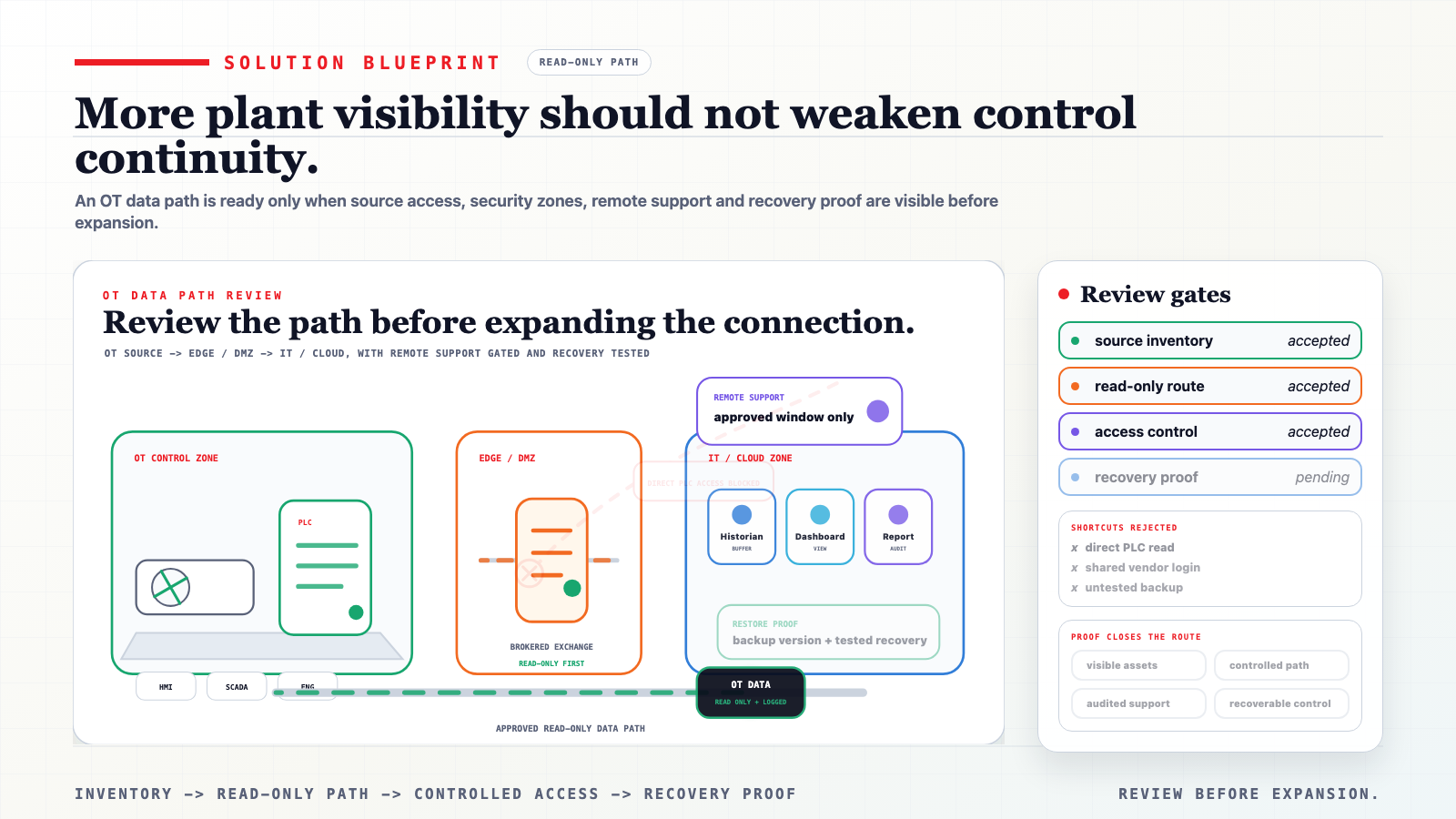
Dashboards, vendors, or cloud tools ask for access before read-only paths and ownership are clear.
Edge devices, remote access tools, or vendor bridges exist without a current trust-zone or recovery record.
PLC, HMI, gateway, or network backups exist but are not tested or tied to a recovery plan.
Security goals and production-continuity constraints are discussed as separate priorities.
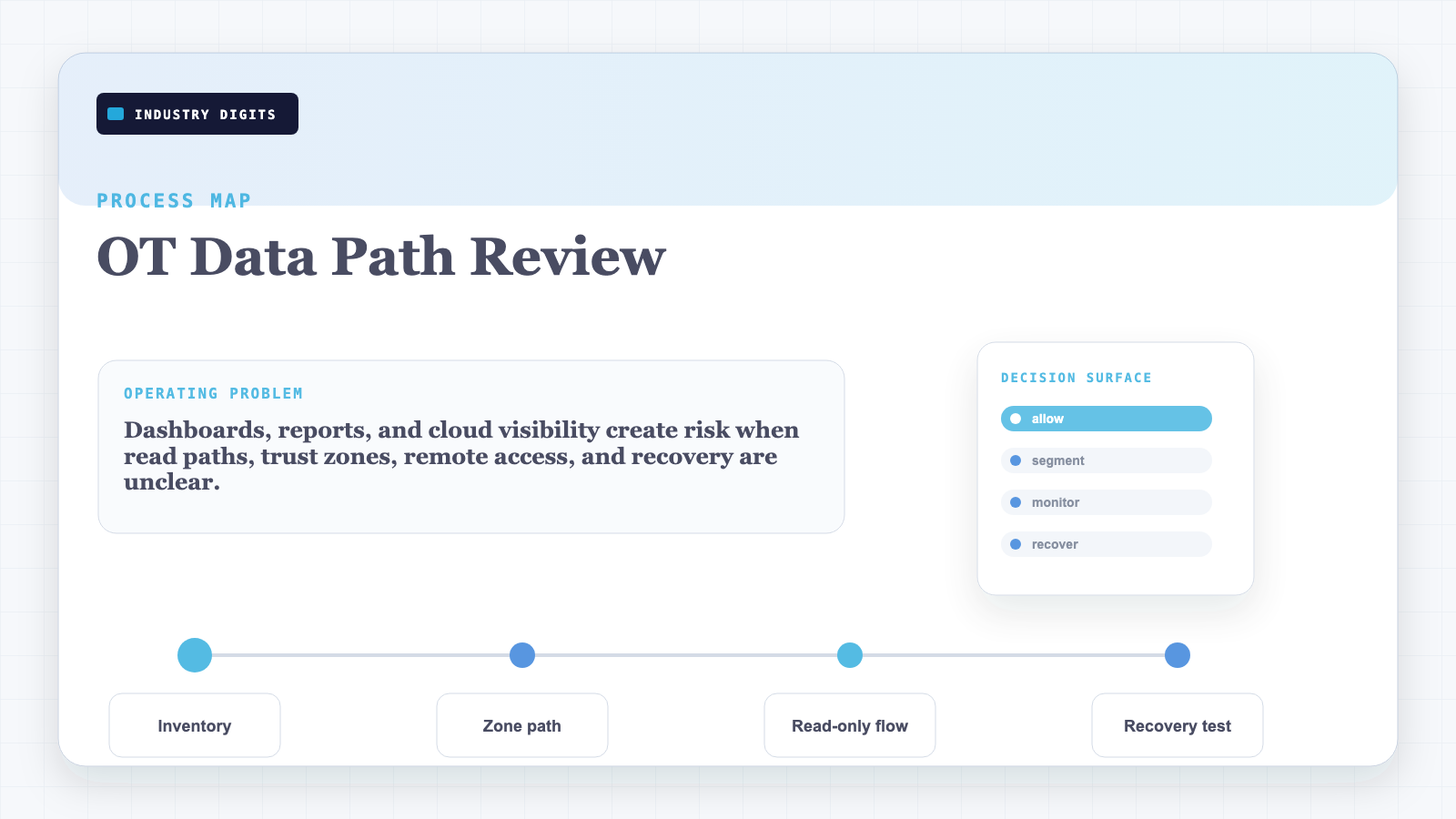
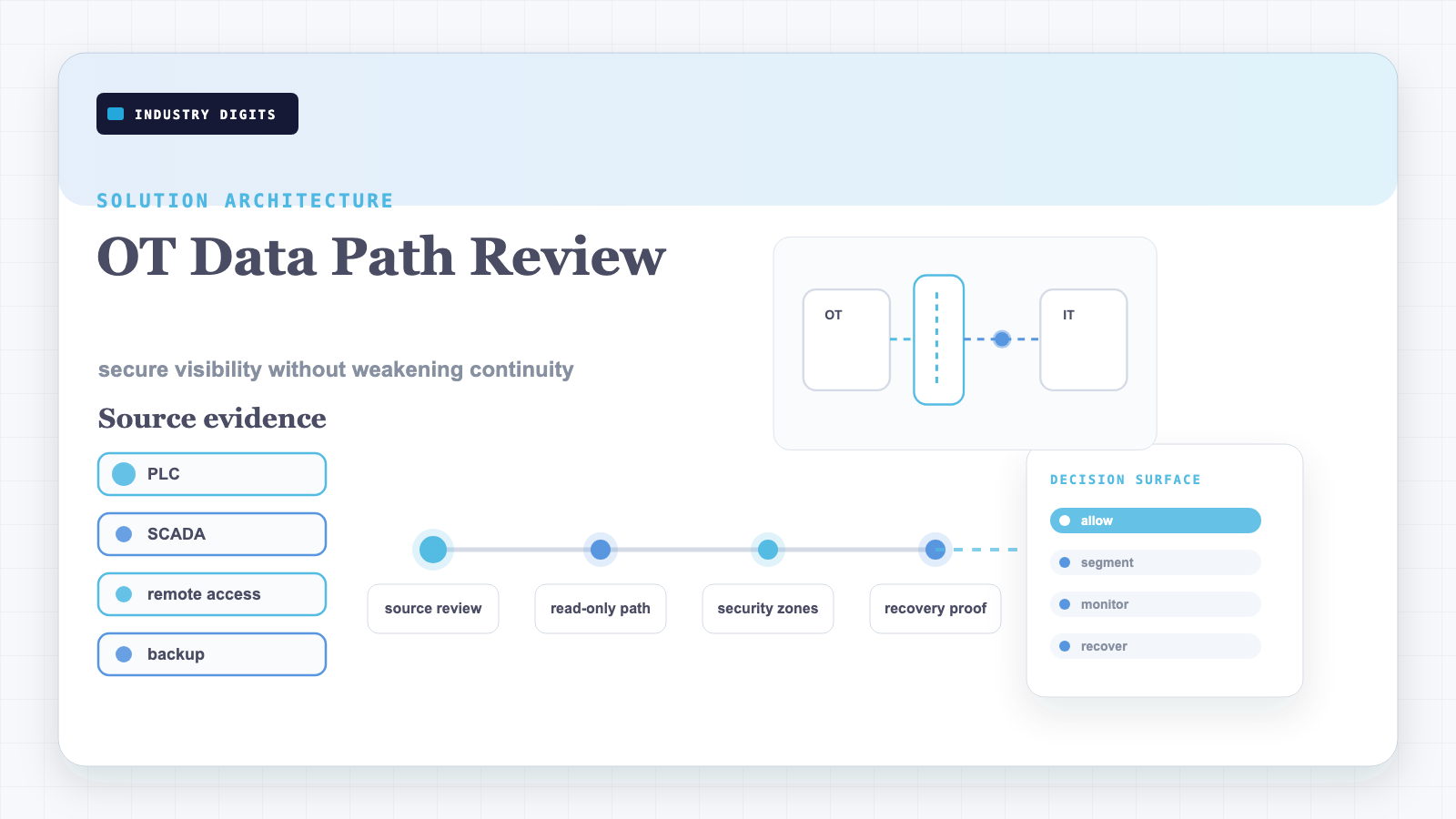
These stages are planning ranges. The real cadence depends on plant access, signal quality, risk, and ownership.
Map source systems, existing gateways, remote access tools, dashboards, and backup status for one plant area.
Agree source ownership, read-only access pattern, security zone boundary, and first data contract.
Validate backup or rollback steps, document the data path standard, and decide which future connections are allowed.
Each signal needs ownership, unit, context, quality, and review logic. Without that contract, dashboards and alerts become fragile.
Show how plants can pursue dashboards and cloud visibility while reviewing source access, trust zones, read-only paths, and recovery discipline.
More visibility should not weaken continuity.
Know the path before expanding access.
The safest useful path is deliberate.
A data path is not ready until recovery is credible.
Field guides and standards references that deepen the methods this blueprint depends on.
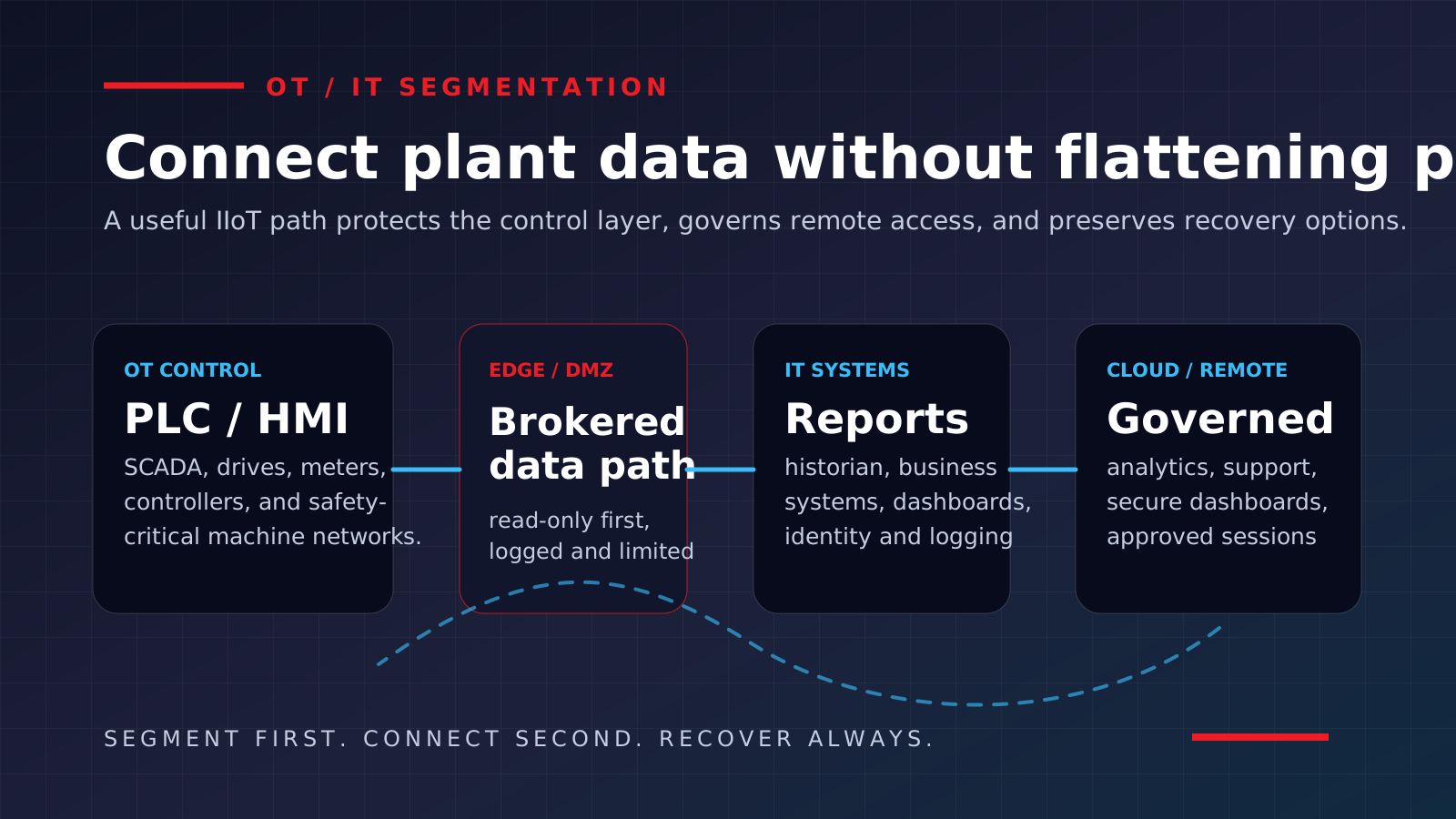 Industrial Cybersecurity
 A practical continuity-first guide for securing PLCs, SCADA, IIoT gateways, historians, cloud dashboards, and remote support paths without slowing useful modernization.
 IIoT
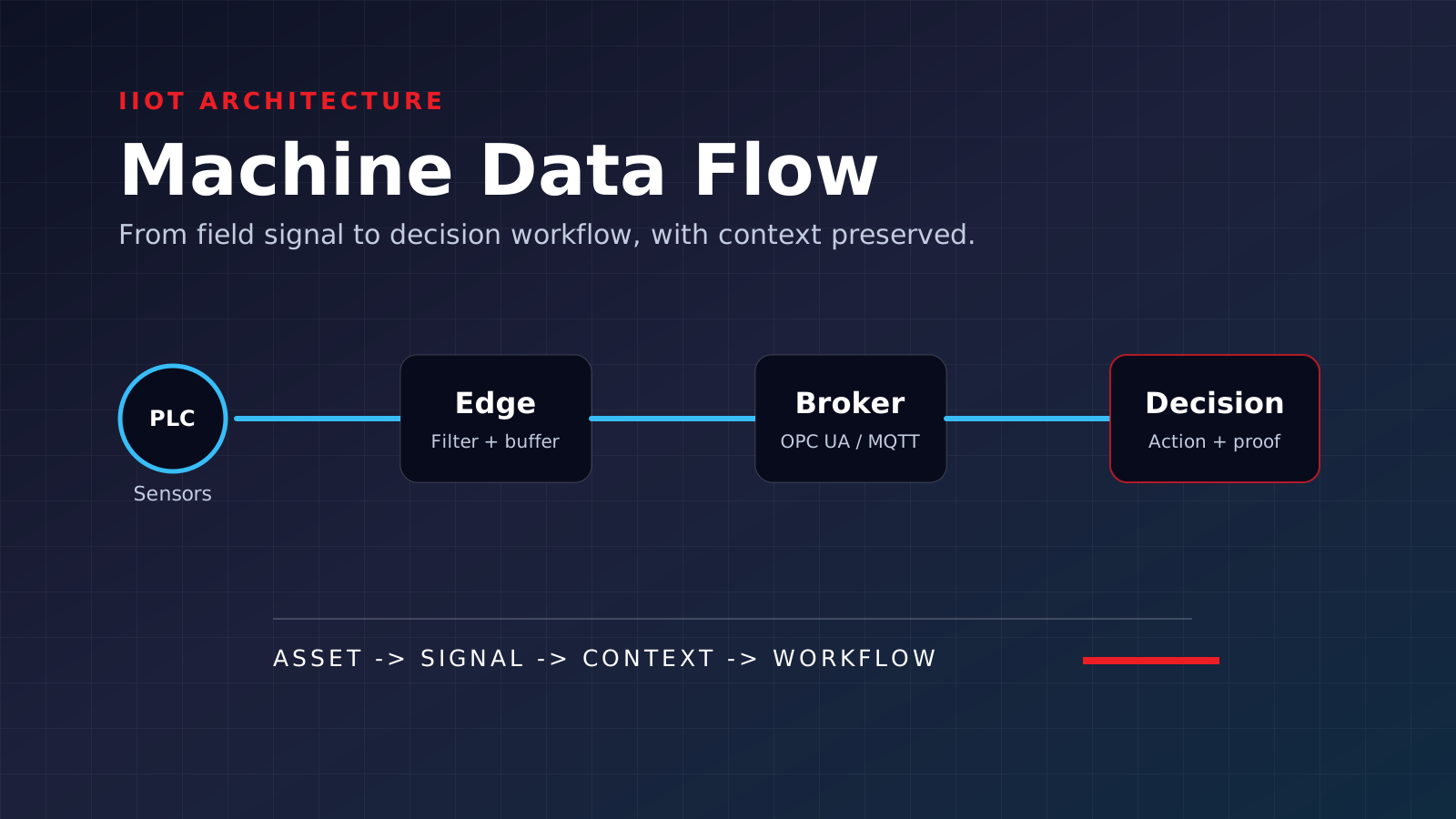
IIoT A refined IIoT architecture guide for turning machine signals, PLC data, and sensor context into decisions that improve uptime, maintenance, energy, and production confidence.
 IIoT
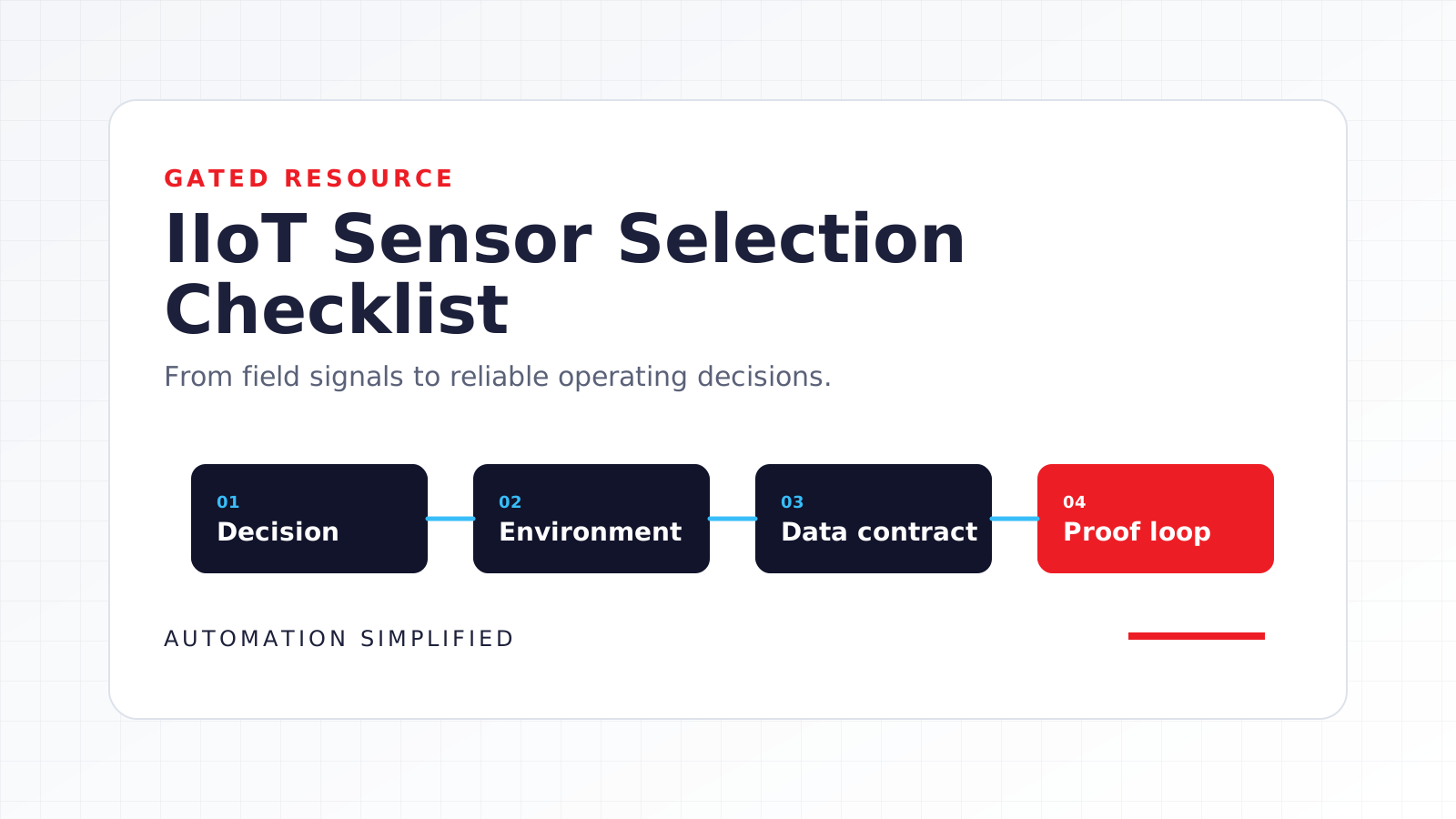
IIoT A gated resource for selecting IIoT sensors, transducers, and switches that can survive the plant environment and support reliable operating decisions.
 Industrial Automation
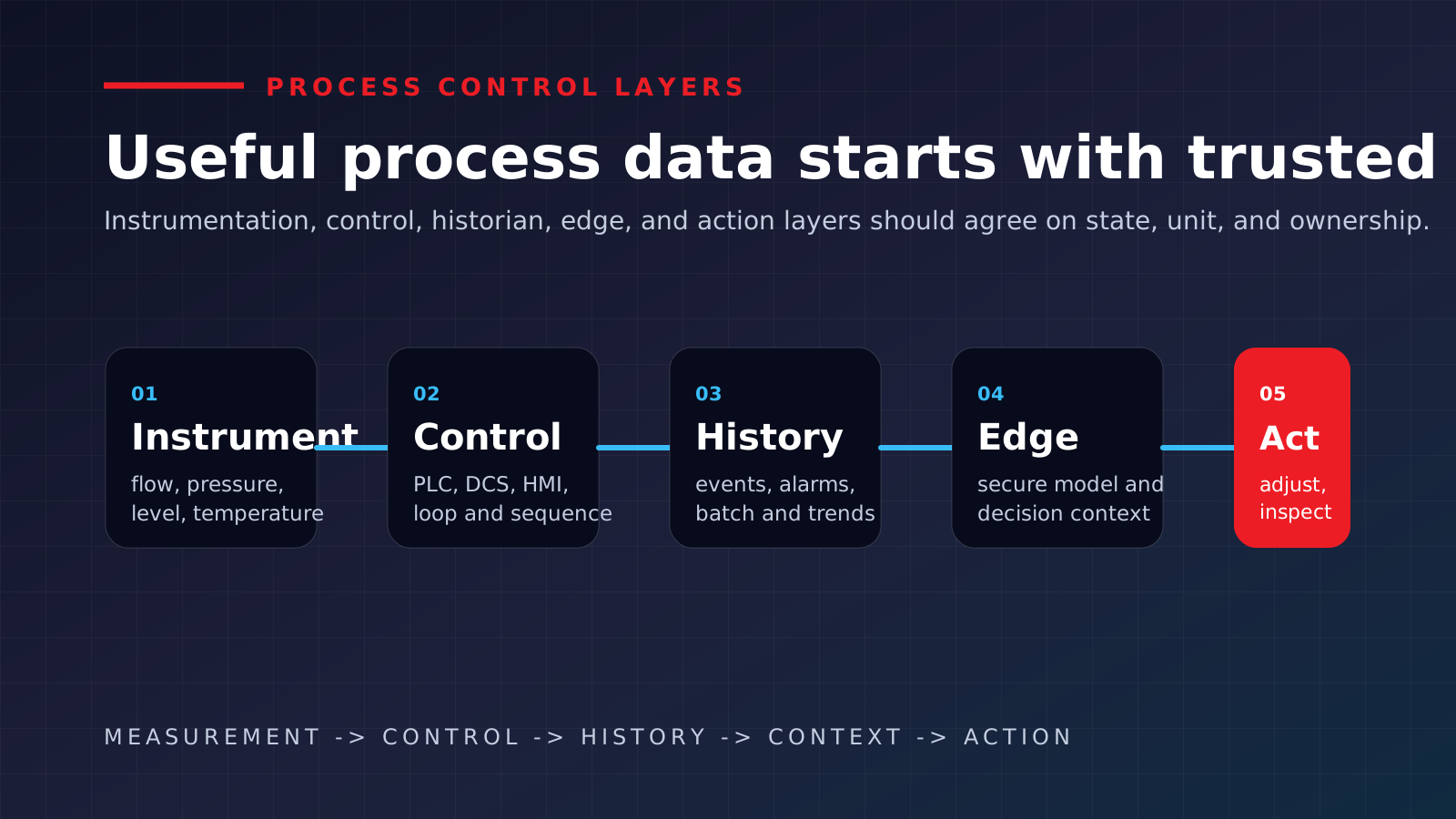
 A practical guide to automation and IIoT for process and chemical plants, focused on control reliability, alarms, instrumentation, maintenance, and operational visibility.
 Industrial Automation
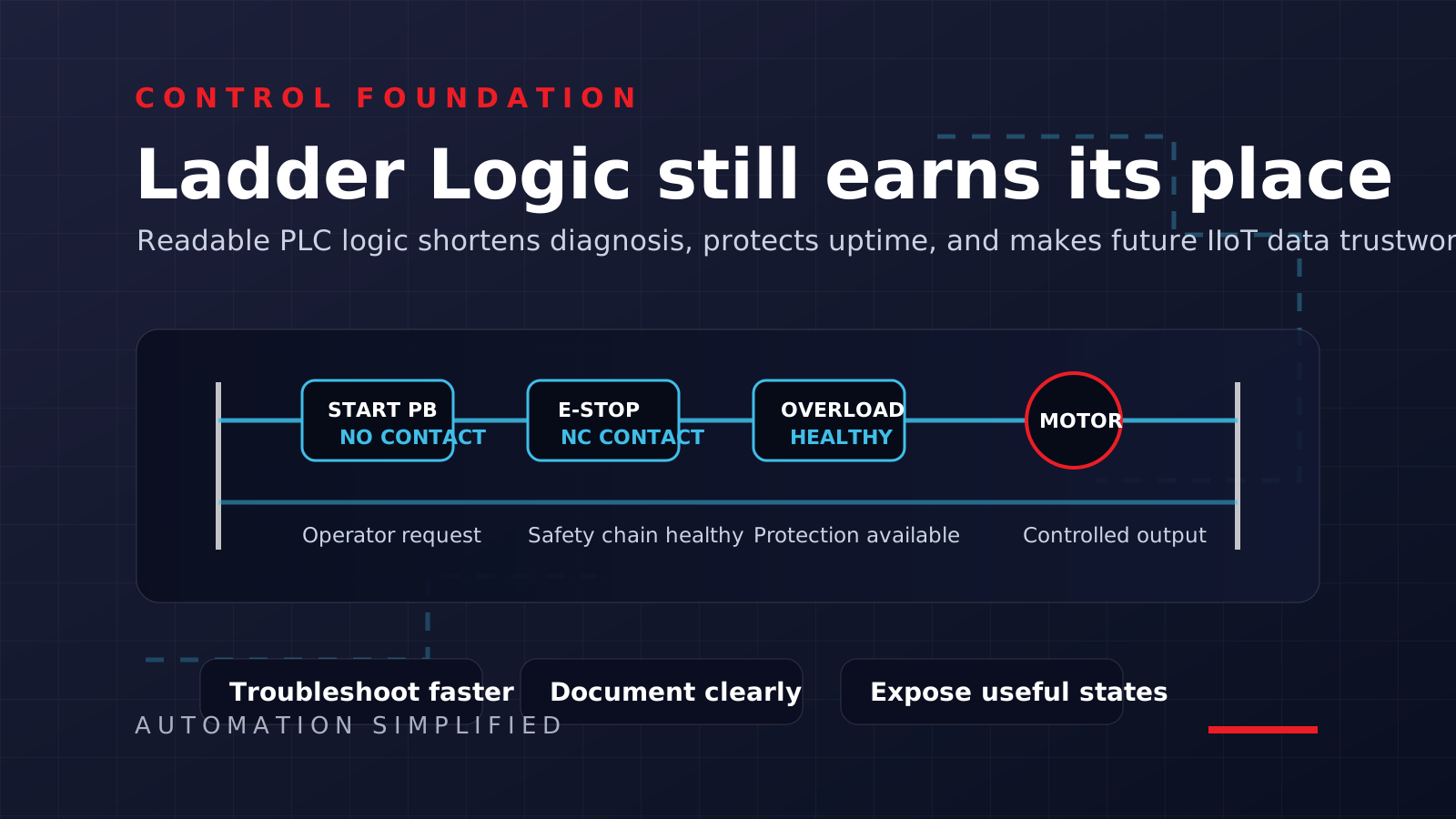
 A practical automation guide for leaders who need PLC logic, machine sequences, safety discipline, and future IIoT data to work as one operating system.
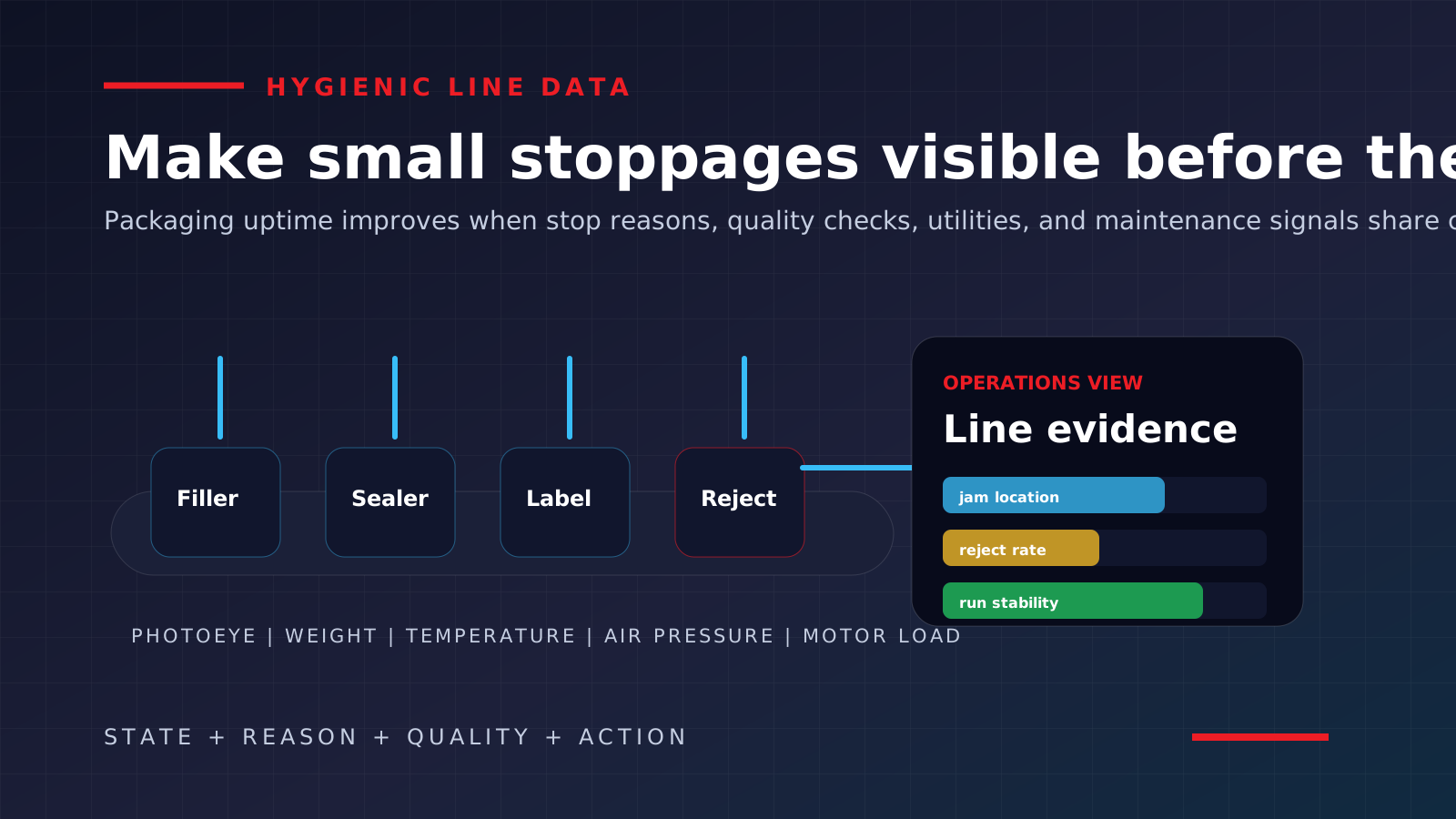 Industrial Automation
 How food and beverage plants can use automation, IIoT, and condition monitoring to improve uptime, hygiene, quality, and packaging reliability without overcomplicating operations.
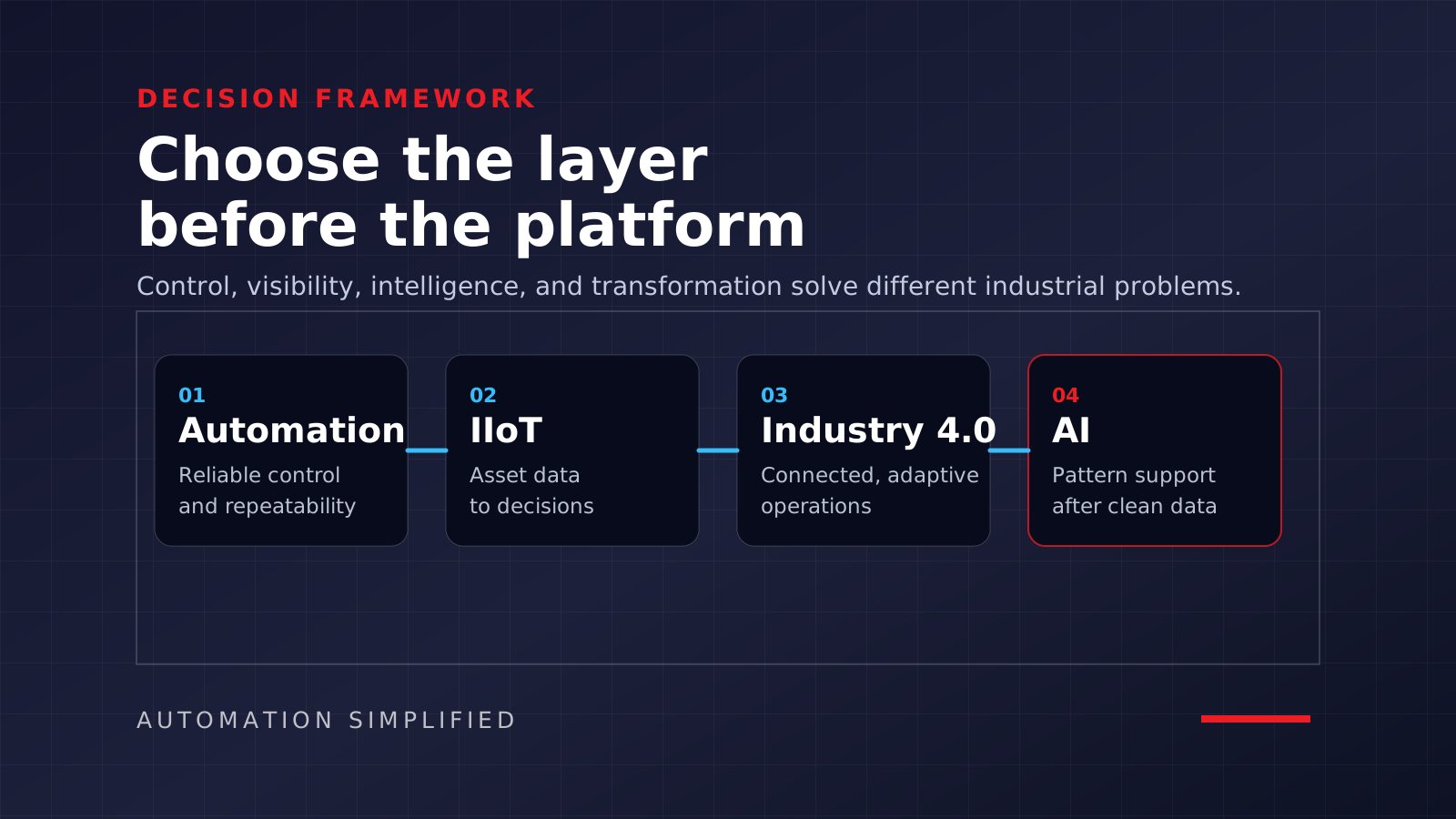 Industrial Automation
 A decision framework for industrial leaders who need to separate control, visibility, data, and transformation before committing capital.
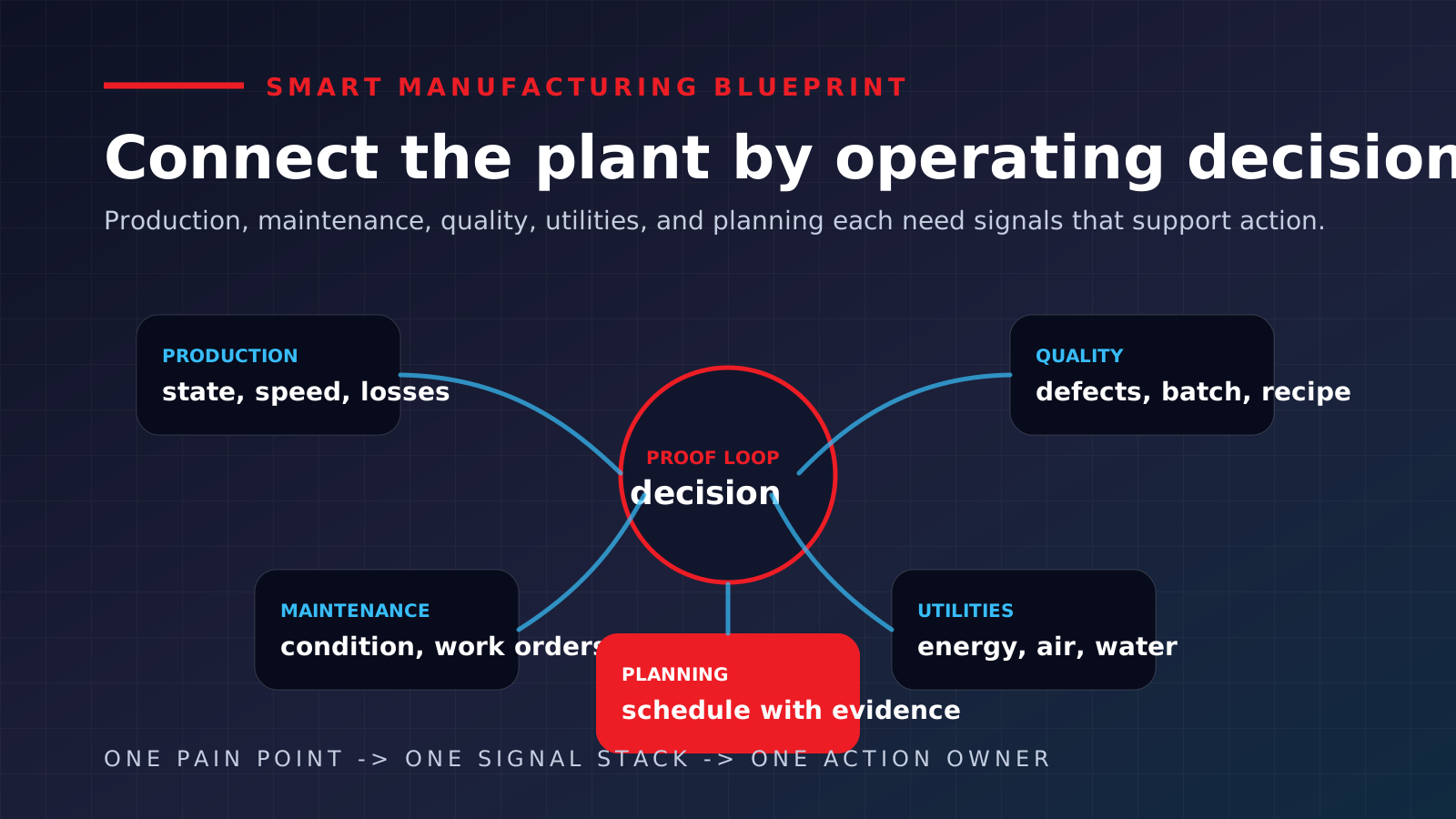 IIoT
IIoT A grounded smart manufacturing blueprint for connecting production, maintenance, quality, utilities, and planning without overclaiming transformation.