
Trend movement without ownership
Vibration, temperature, or current starts moving, but no one knows whether to inspect, watch, plan, or shut down.
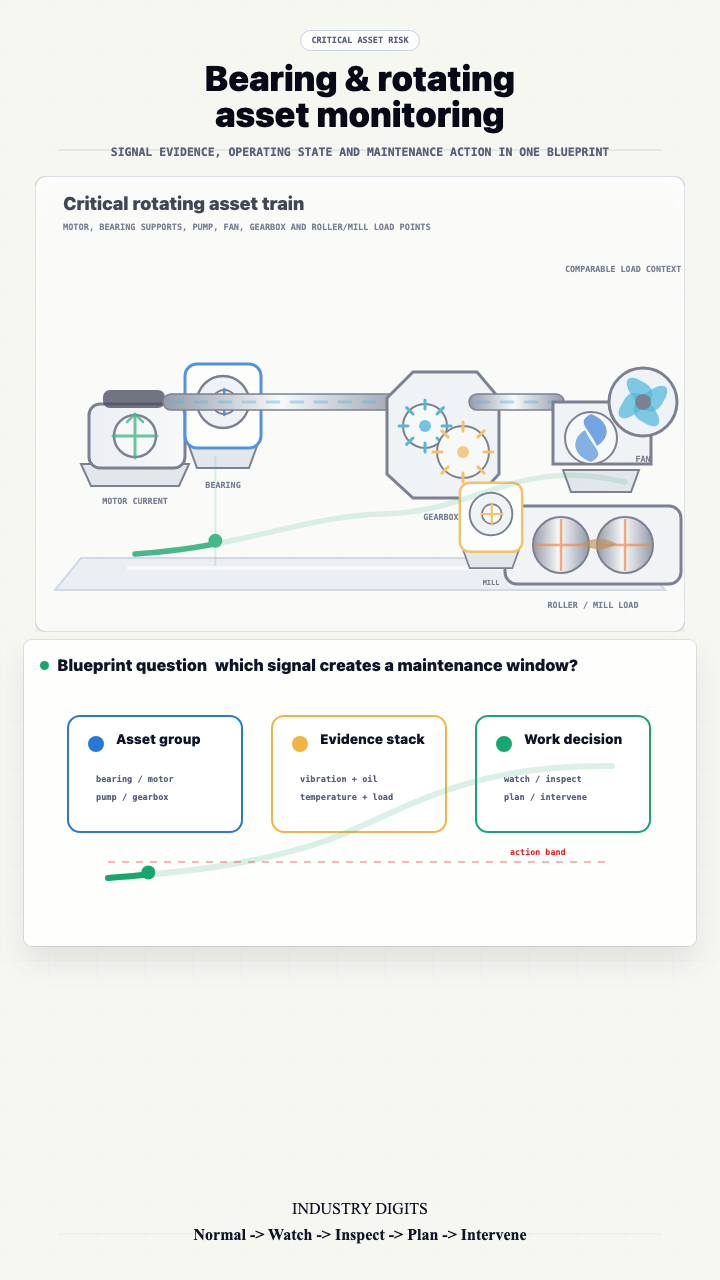
Vibration, temperature, or current starts moving, but no one knows whether to inspect, watch, plan, or shut down.
Lubricant condition, oil level, contamination, or grease practices are not reviewed with asset health signals.
A signal looks abnormal because load, speed, product, or duty cycle context is not attached.
The team reacts after failure because the early-warning and planning path is not explicit.
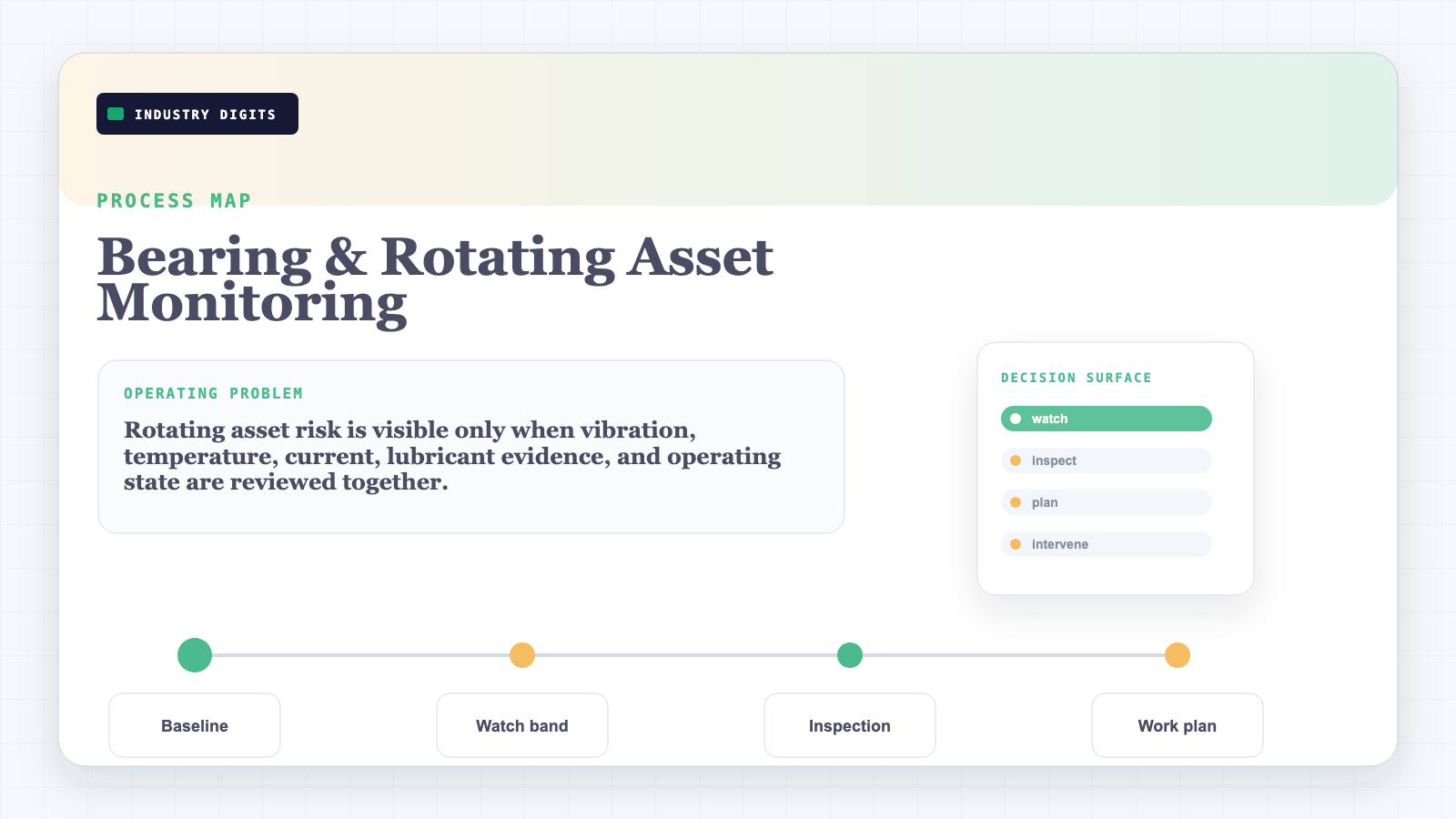
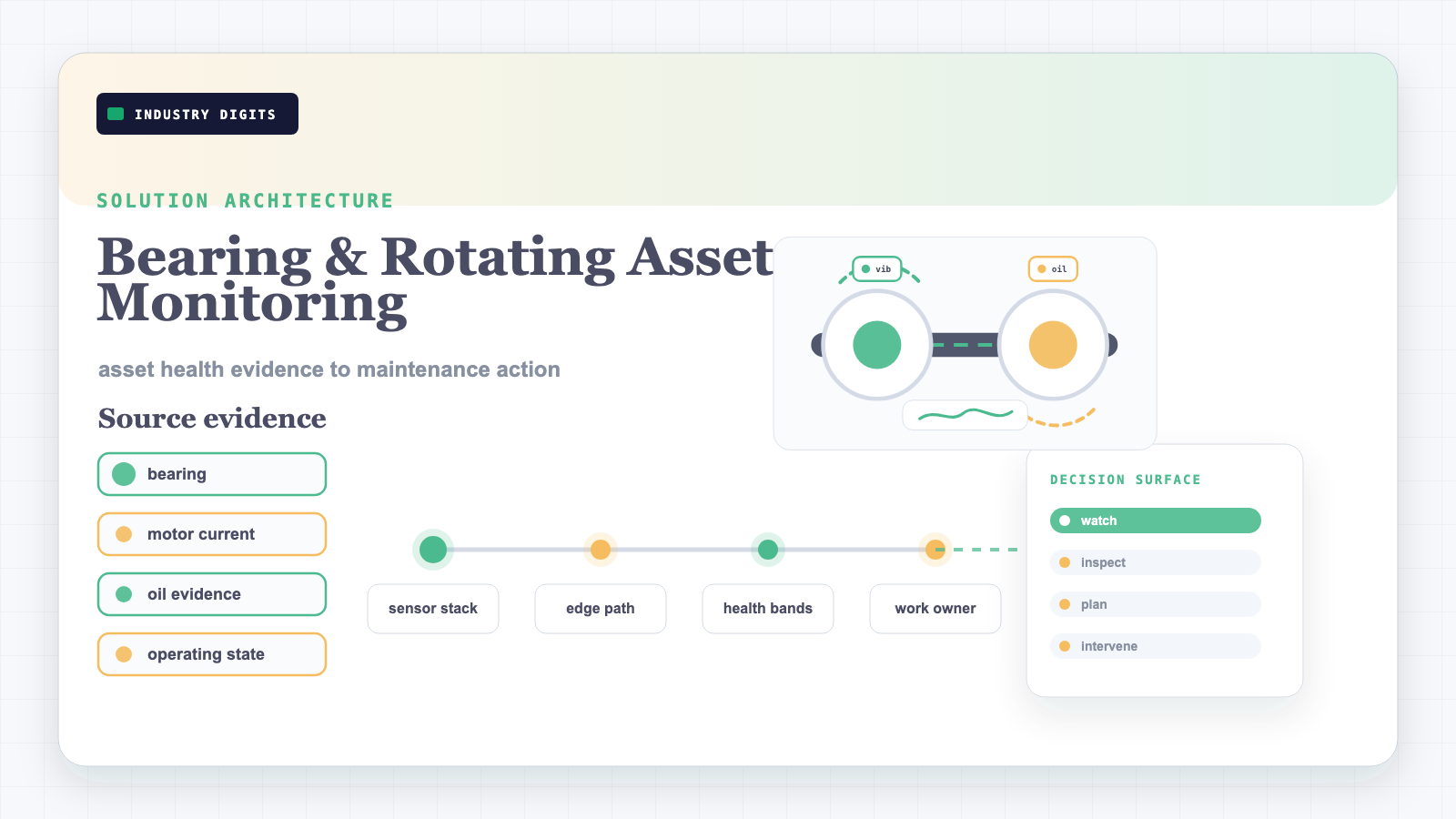
These stages are planning ranges. The real cadence depends on plant access, signal quality, risk, and ownership.
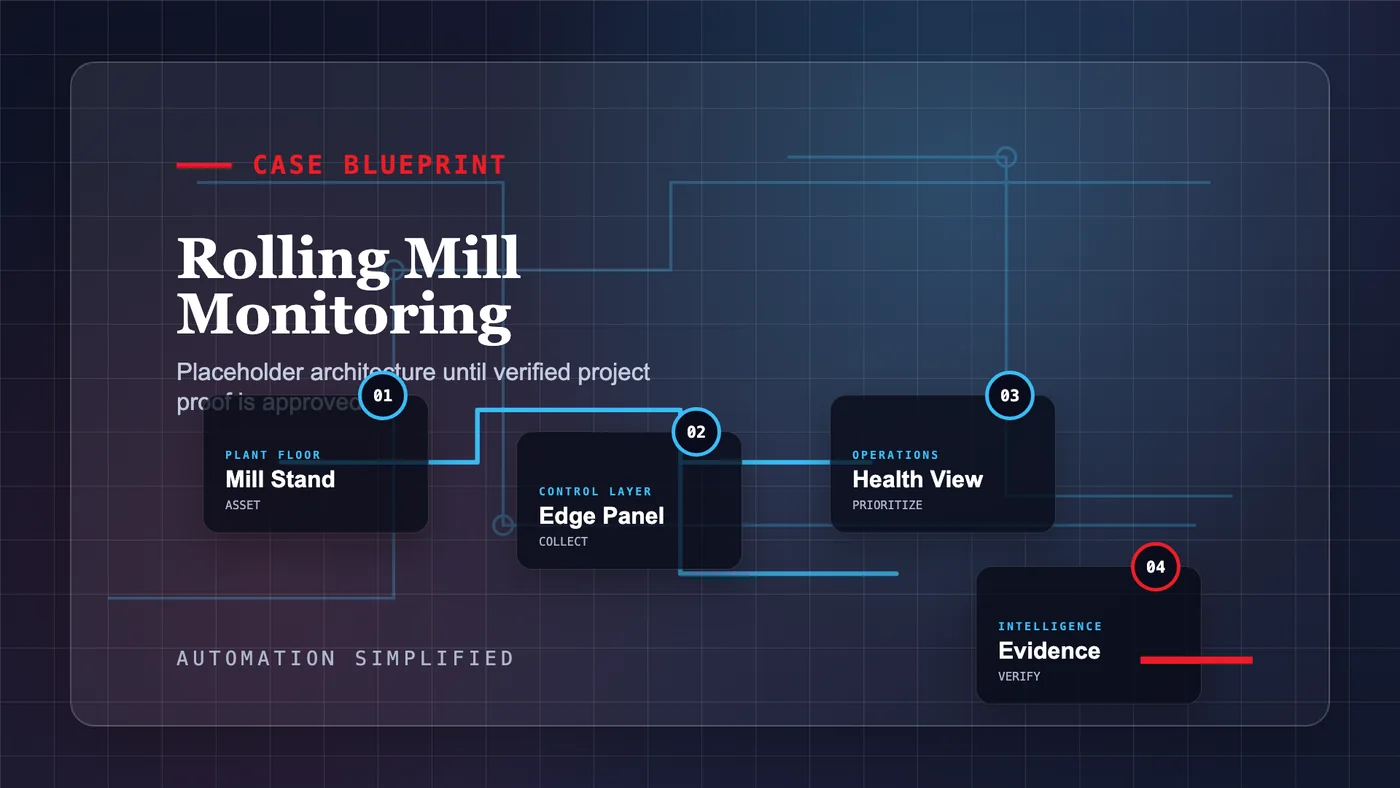
Rank assets, define failure modes, choose minimum signals, inspect mounting or capture method, and agree the first review owner.
Collect operating-state-aware baselines, separate watch and alarm bands, and review false positives with maintenance and operations.
Document accepted signals, triggered inspections, maintenance decisions, and whether to scale, hold, or redesign the monitoring pattern.
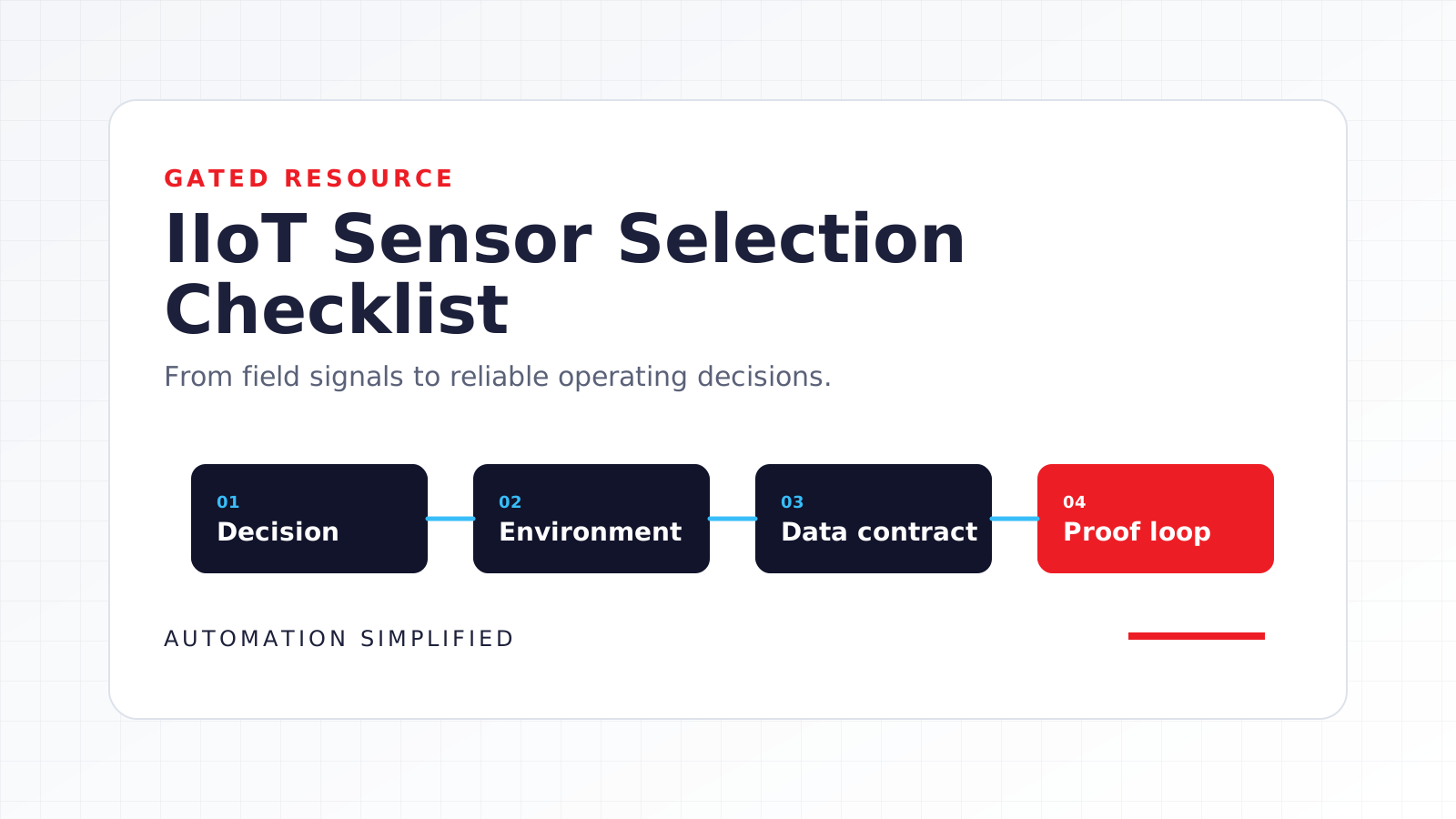
Each signal needs ownership, unit, context, quality, and review logic. Without that contract, dashboards and alerts become fragile.
Show how rotating asset risk becomes actionable when signal evidence, operating state, oil/lubrication context, and maintenance ownership are connected.
Start where forced downtime has visible consequence.
Signals need context before they deserve action.
The useful output is a maintenance decision.
Scale only after the first review loop earns trust.
Field guides and standards references that deepen the methods this blueprint depends on.
Predictive Maintenance A practical field guide for using vibration, temperature, current, lubrication evidence, and operator observations to turn bearing risk into planned maintenance action.
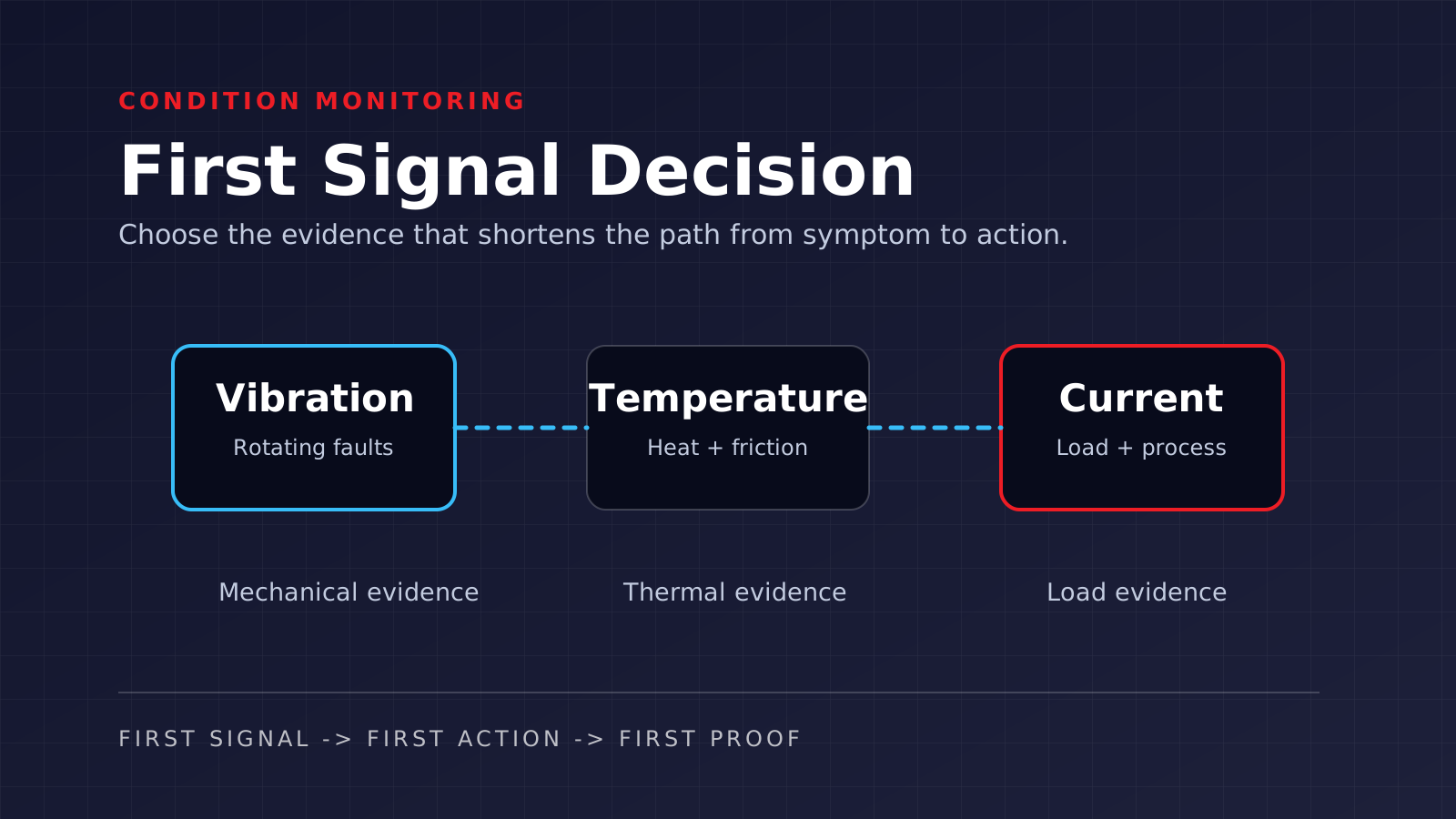 Condition-Based Monitoring
 A condition monitoring decision guide for choosing the first signal that builds trust, protects maintenance capacity, and gives earlier warning on critical assets.
 Condition-Based Monitoring
 A technical review of journal-bearing monitoring in sheet metal reduction lines, connecting roll force, viscosity, lubricant feed condition, oil cleanliness, temperature, vibration, and maintenance action.
 IIoT
IIoT A gated resource for selecting IIoT sensors, transducers, and switches that can survive the plant environment and support reliable operating decisions.
 IIoT
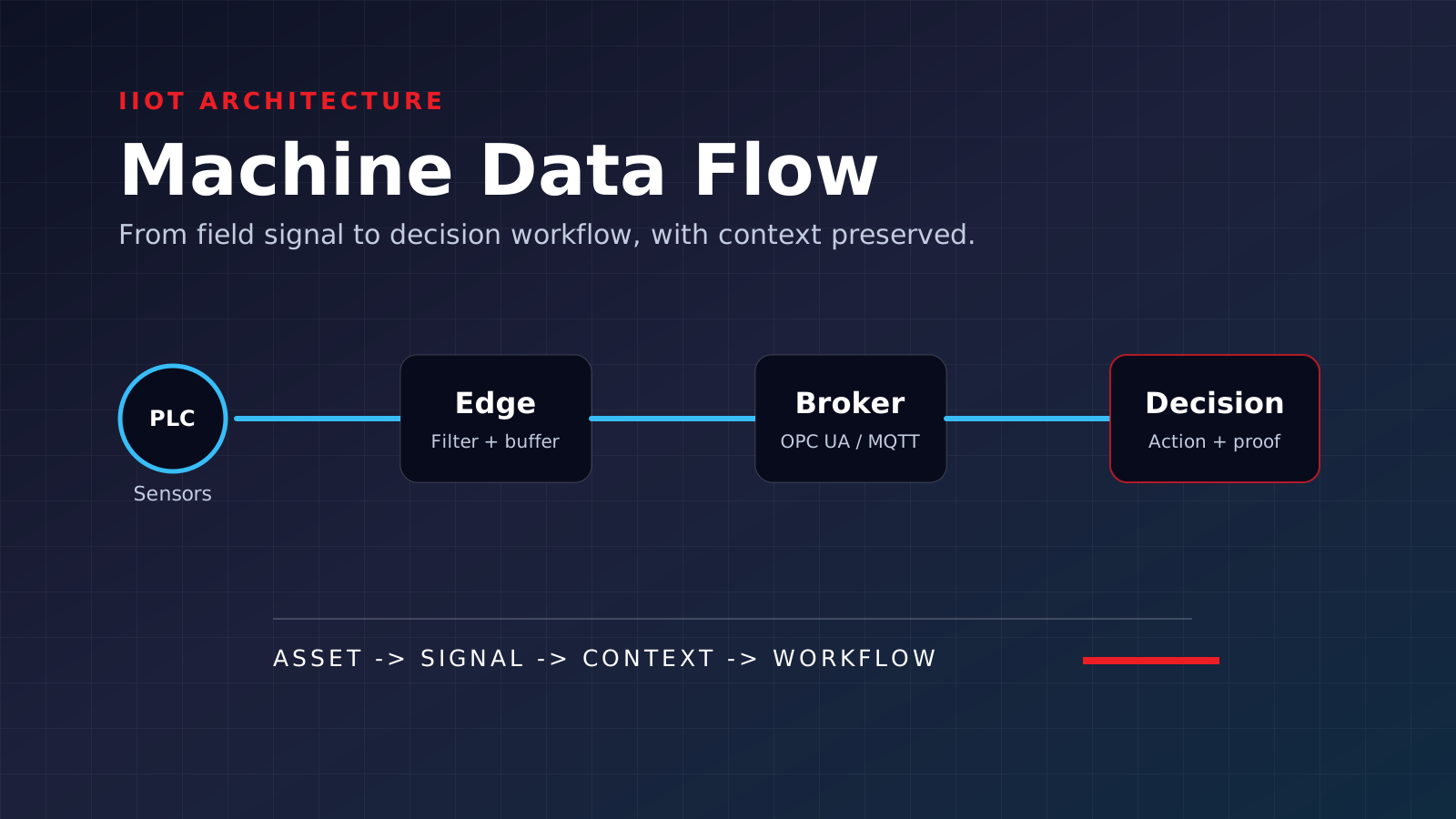
IIoT A refined IIoT architecture guide for turning machine signals, PLC data, and sensor context into decisions that improve uptime, maintenance, energy, and production confidence.
 Energy & Power
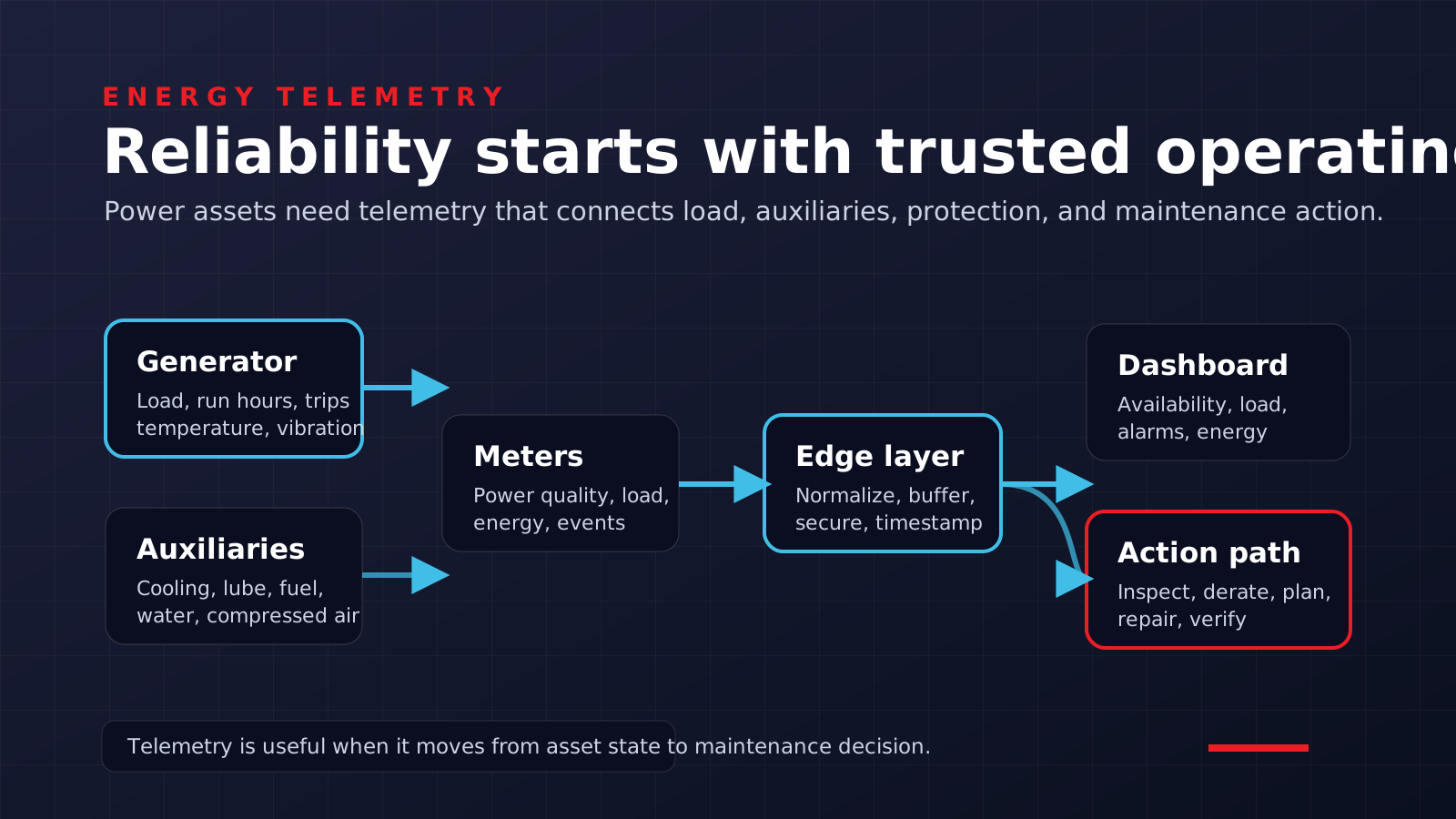
 A practical reliability guide for power generation and energy assets where automation, IIoT telemetry, and condition monitoring must protect continuity.