
01
0-6s
Packaging state
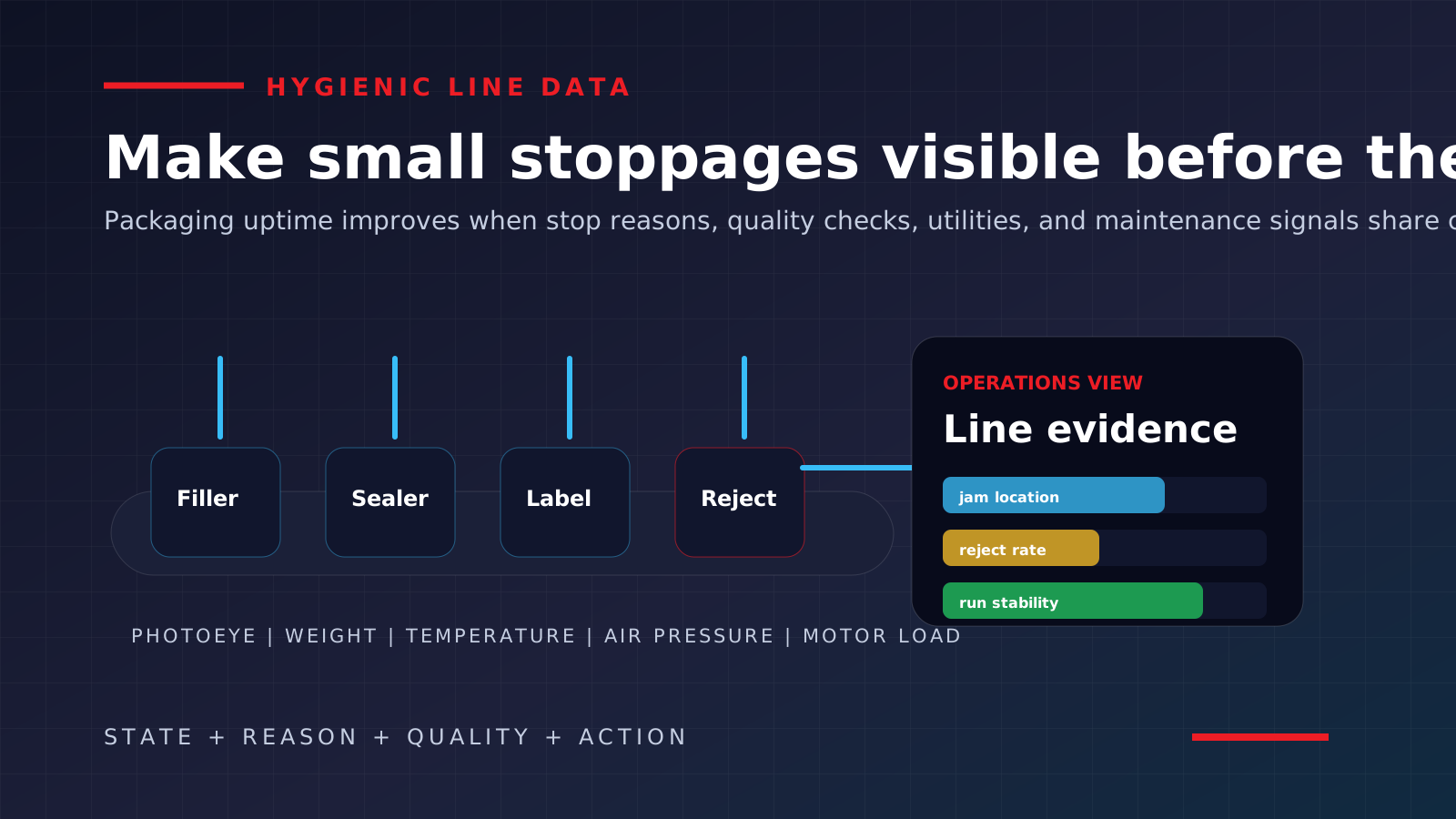
A hygienic line is framed through product flow, machine state, and the minor stops that disappear in shift totals.
Uptime, packaging visibility, utility signals, and hygienic-production context for food and beverage operations.
Food and beverage plants benefit when production data, utilities, cleaning windows, quality context, and maintenance response are planned together.
Show how packaging state, recipe context, washdown windows, utility signals, and maintenance evidence make minor stops visible enough for action.
A hygienic line is framed through product flow, machine state, and the minor stops that disappear in shift totals.
Bottles move through infeed, filling, sealing, labelling, inspection, reject, and washdown zones.
Compressed air, water, steam, and energy signals are tied back to production and cleaning state.
Stop reason, utility context, and maintenance window route the event to a practical owner.
Each problem maps to a core service or a public solution blueprint.
Small jams, blocked sensors, reject bursts, and restart delays need stop reason, line state, operator action, and product context.
Sensors and connectors must be selected for the environment, access, cleaning exposure, and maintainability, not only measurement type.
Compressed air, water, steam, cooling, and energy signals become useful when abnormal use is tied to production state.
Condition monitoring must respect production, cleaning, and maintenance windows so alerts become practical actions.
The service list is a starting point for discovery, not a claim that every plant needs every layer.
Make packaging-line stop reasons and machine states trustworthy so minor-stop losses become visible and reviewable, not just felt at the end of a shift.
Design hygienic, washdown-tolerant sensing and cleaning-cycle data isolation into the path before historian capture, aligned to FDA FSMA and ISO 22000 record expectations.
Prioritise pumps, mixers, conveyors, and packaging motors with condition signals scheduled around production and washdown windows (ISO 17359).
These articles support the public problem framing without presenting private plant results as case studies.
 Industrial Automation
 How food and beverage plants can use automation, IIoT, and condition monitoring to improve uptime, hygiene, quality, and packaging reliability without overcomplicating operations.
 IIoT
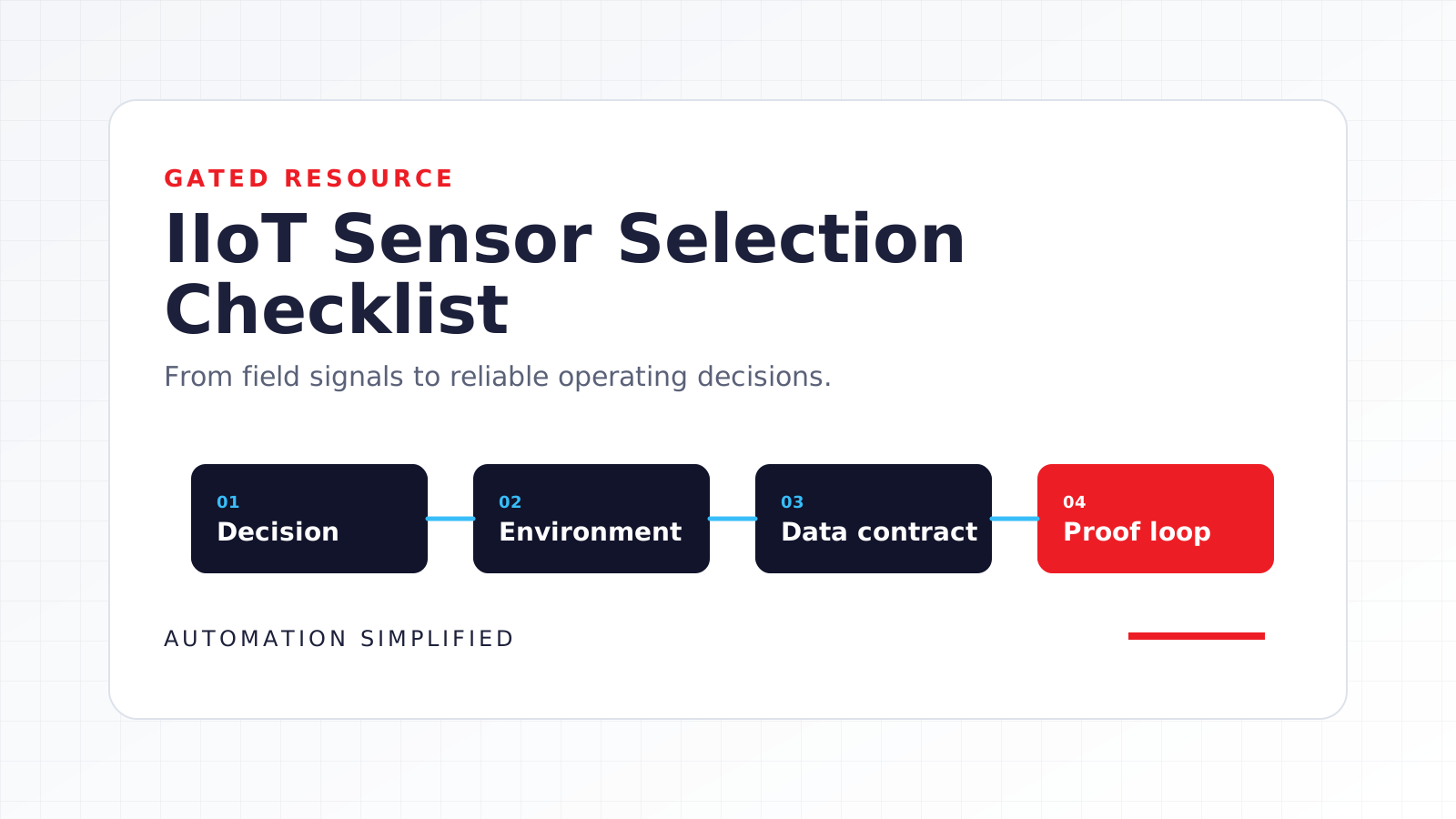
IIoT A gated resource for selecting IIoT sensors, transducers, and switches that can survive the plant environment and support reliable operating decisions.
 Condition-Based Monitoring
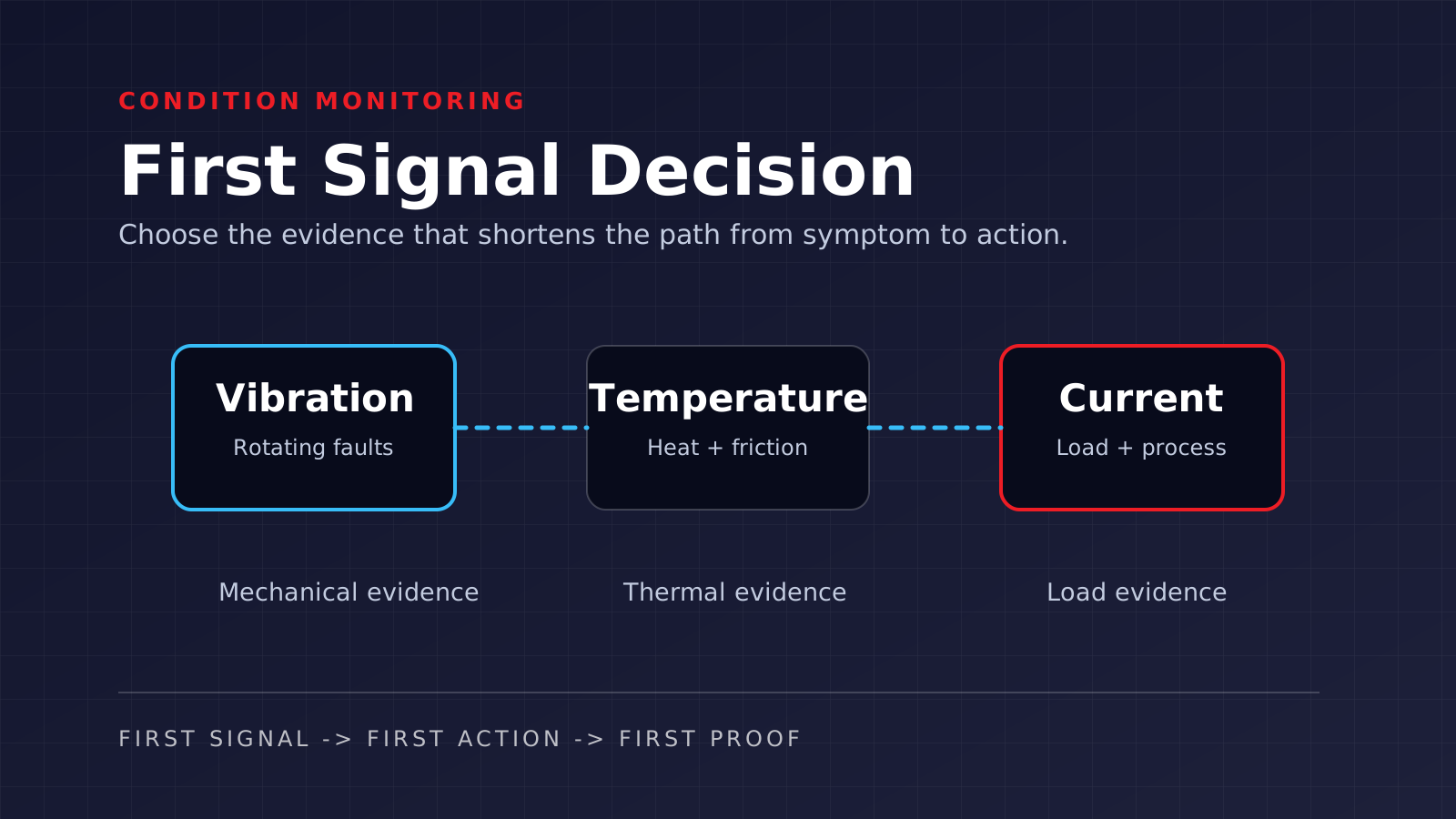
 A condition monitoring decision guide for choosing the first signal that builds trust, protects maintenance capacity, and gives earlier warning on critical assets.
 IIoT
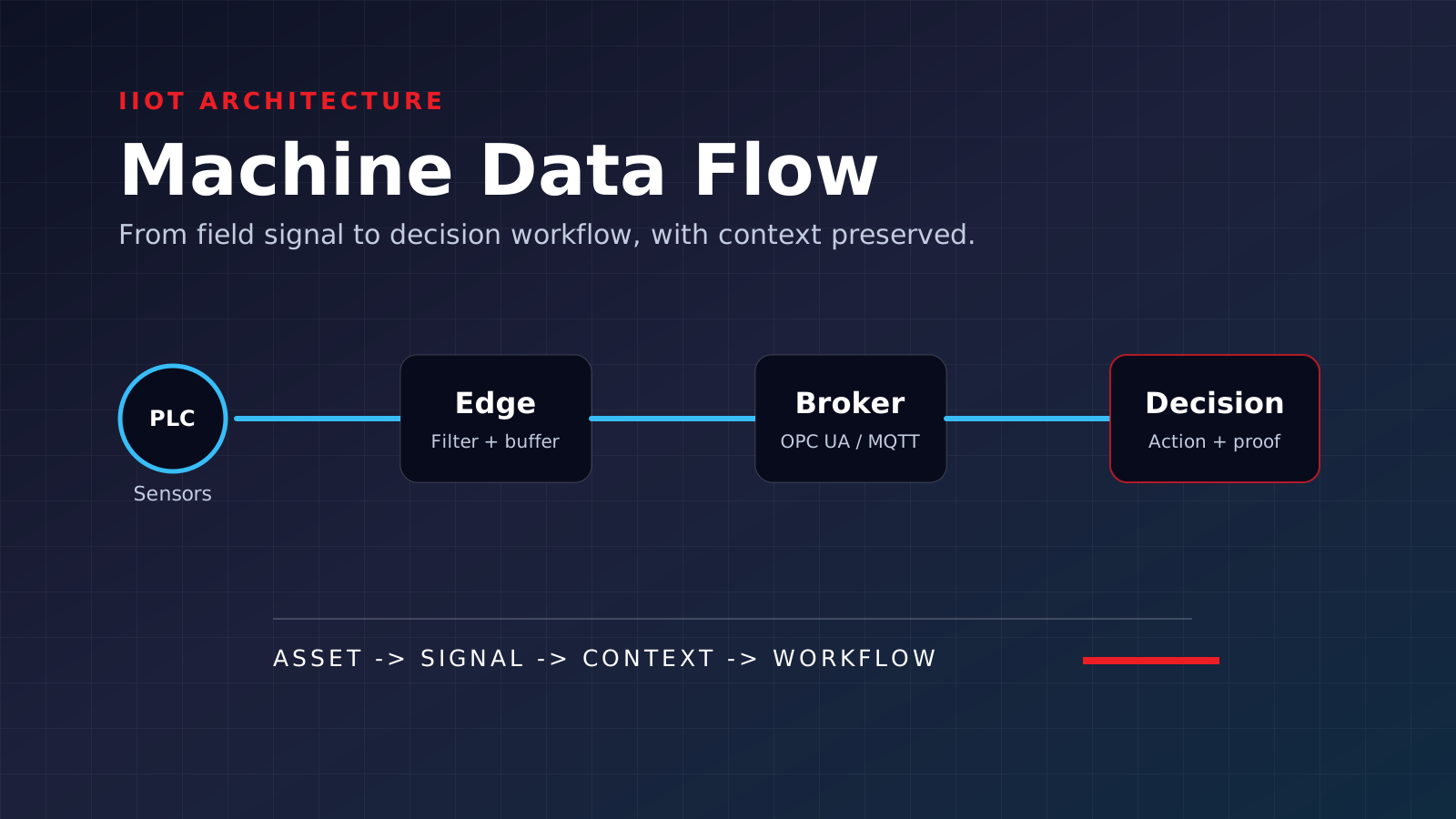
IIoT A refined IIoT architecture guide for turning machine signals, PLC data, and sensor context into decisions that improve uptime, maintenance, energy, and production confidence.
These are the operating views worth clarifying when a plant wants to move from symptoms to evidence-backed action.
Captured with asset hierarchy, signal ownership, and the operating state that makes the reading meaningful.
Tied to a named decision owner and the action path the team can realistically follow.
Validated against existing PLC, historian, and maintenance evidence before new sensors are added.
Reviewed for data quality, units, and timestamp integrity so later analytics inherit clean context.
A focused packaging, utility, or asset-health pilot is stronger than a broad plant dashboard.