Line and cell change visibility
When tooling, program, or variant logic changes, production data should remain understandable to quality, maintenance, and operations rather than resetting context every changeover.
Traceability, line-state visibility, inspection context, and control reliability for automotive and tier-supplier production environments.
Automotive and tier-supplier environments — body-in-white cells, press shops, paint and assembly lines — need reliable controls, inspection context, and traceability that survives frequent variant and tooling changes without slowing takt time or forcing manual reconciliation.
Focused problem framing with routes into the closest deep-dive sector and the matching solution blueprints.
When tooling, program, or variant logic changes, production data should remain understandable to quality, maintenance, and operations rather than resetting context every changeover.
Presses, feeders, and stamping drives stop high-value lines when they fail. Vibration, current, and tonnage-context signals support planned intervention instead of reactive teardown (ISO 17359).
Vision or AI-supported inspection needs controlled imaging, review ownership, and rejection logic before it can support a quality decision or warranty claim.
Genealogy, test results, and process parameters must connect to part and batch identity so warranty and audit questions are answered with evidence, not reconstruction.
The service list is a starting point for discovery, not a claim that every plant needs every layer.
Keep cell logic, variant handling, and HMI states readable through tooling and program changes so quality and maintenance keep pace with takt time.
Join test, inspection, and traceability data to production context for IATF 16949 evidence, using ISA-95 and OPC UA conventions rather than manual reconciliation.
Frame vision and AI-assisted inspection with controlled imaging, review ownership, and an explicit false-reject policy before it gates a quality decision.
These articles support the public problem framing without presenting private plant results as case studies.
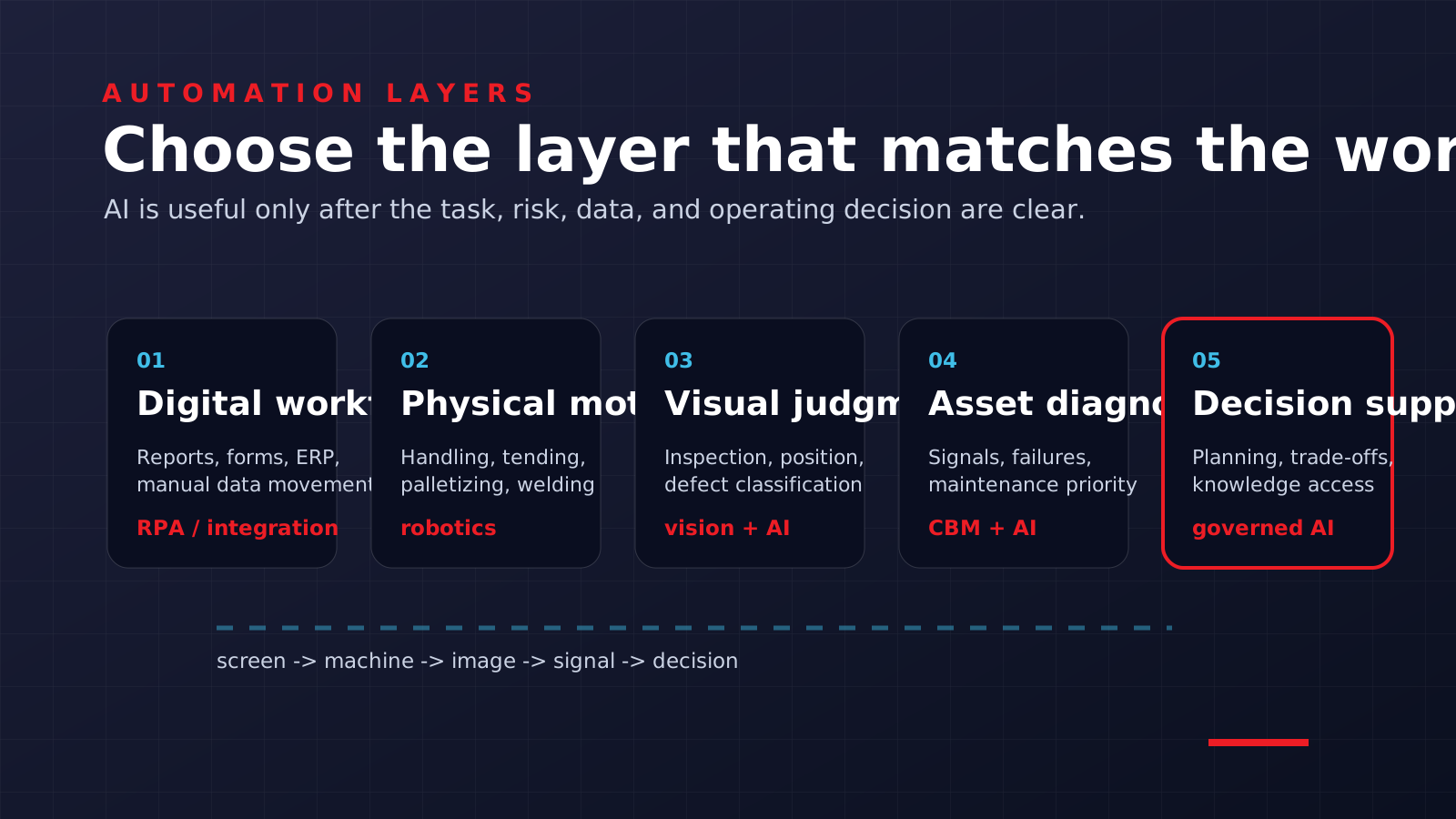
A decision guide for industrial leaders comparing digital workflow automation, robotics, machine vision, condition intelligence, and governed industrial AI.
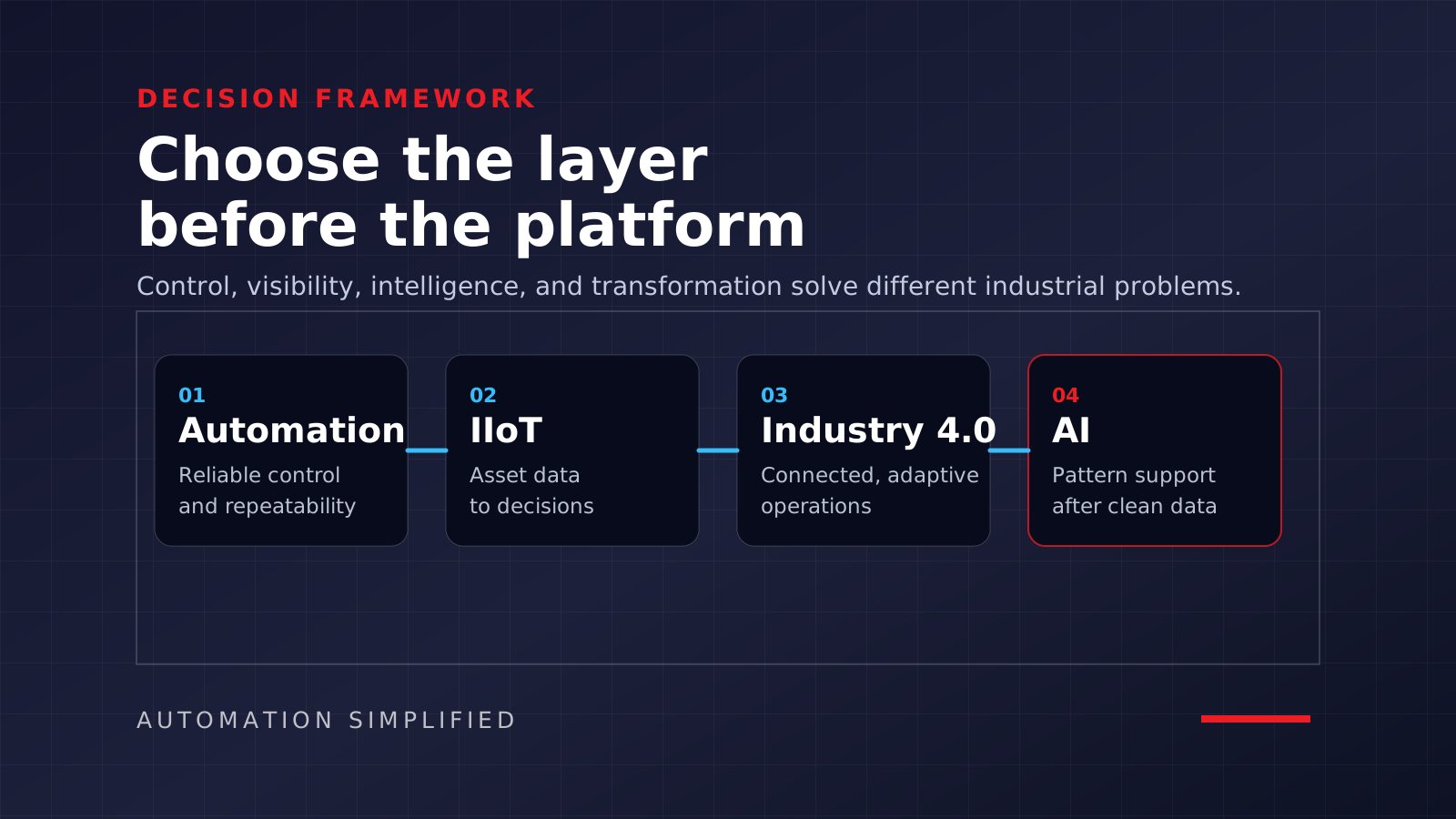
A decision framework for industrial leaders who need to separate control, visibility, data, and transformation before committing capital.
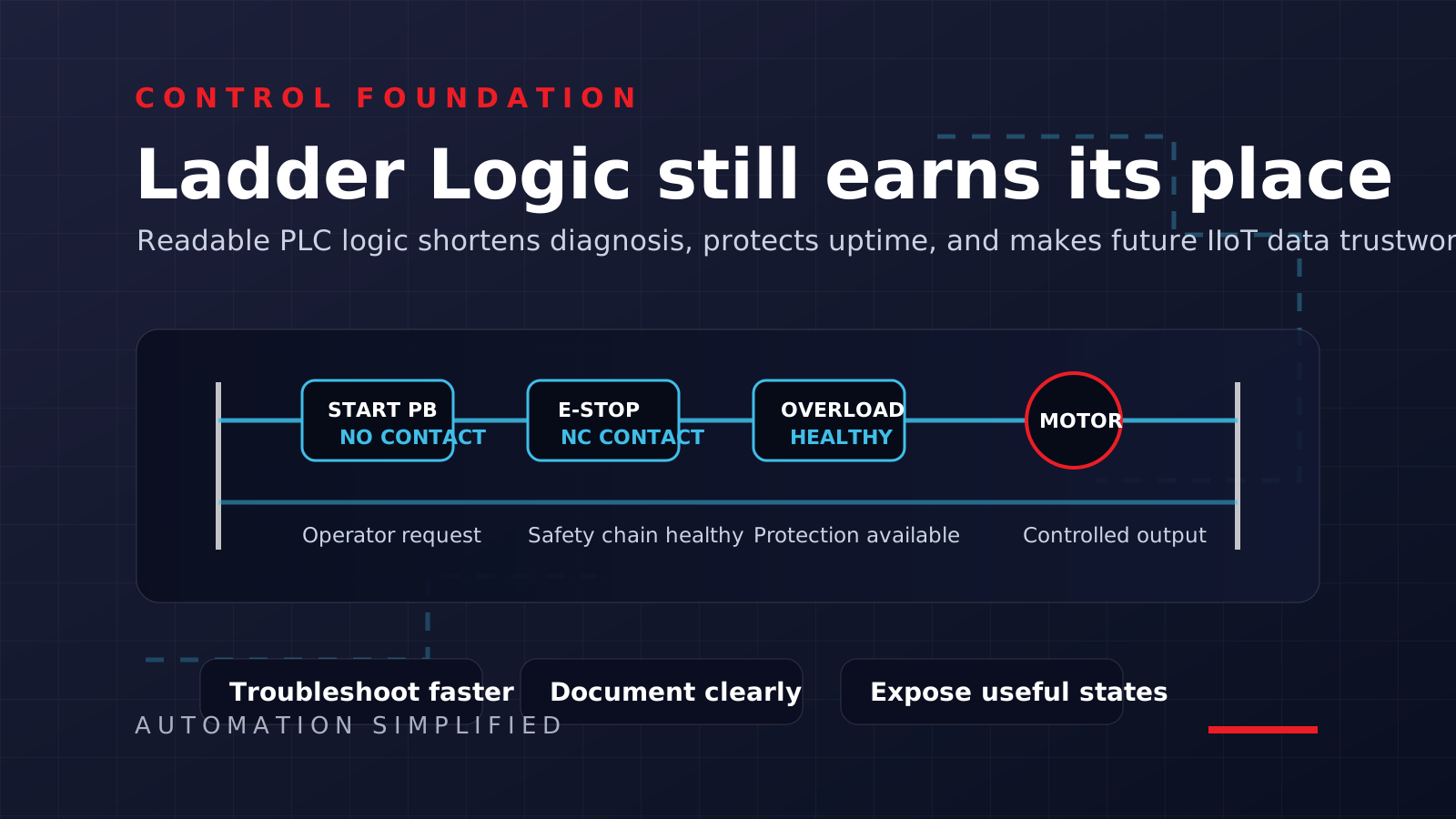
A practical automation guide for leaders who need PLC logic, machine sequences, safety discipline, and future IIoT data to work as one operating system.

Automotive work begins with a focused scope — a single cell, press line, or inspection station — and reuses the manufacturing and data-architecture clusters for depth.