
Solenoid valve failure and maintenance checklist
A practical field resource for diagnosing solenoid valve faults before replacing components blindly.
Small components can create large downtime when the fault chain is unclear.
Solenoid valves control air, water, steam, chemicals, fuel, lubrication, cleaning fluids, and other plant utilities. When a valve sticks, leaks, fails to actuate, or responds slowly, the visible fault may look like a machine problem, process deviation, quality issue, or safety concern.
This checklist helps maintenance and operations teams separate electrical, fluid, mechanical, installation, and control-system causes before the same fault returns.
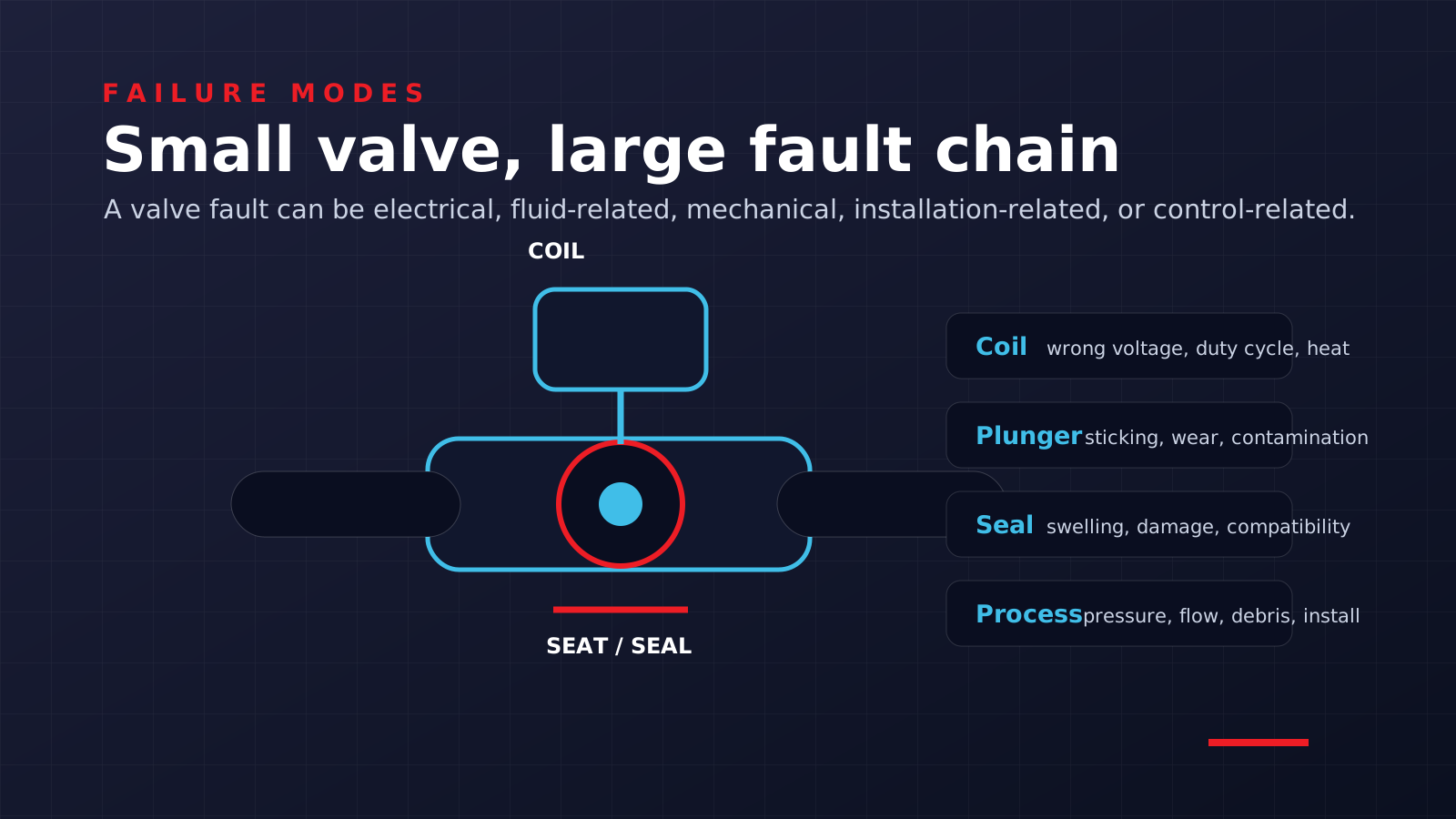
Diagnose the cost, not only the component.
- Lost production while the root cause is found.
- Scrap or rework after a failed actuation.
- Delayed cleaning, filling, transfer, packaging, or utility cycles.
- Repeat maintenance because the real cause was not corrected.
Start with the observed behavior, then isolate the fault family.
| Observed symptom | Likely areas to inspect first |
|---|---|
| Valve does not open | No power, coil fault, wrong voltage, blocked inlet, stuck plunger, low pressure differential |
| Valve does not close | Debris on seat, damaged seal, weak spring, pressure issue, incorrect installation |
| Valve leaks | Worn seal, damaged seat, contamination, wrong material compatibility, pipe stress |
| Valve chatters | Low voltage, unstable pressure, poor wiring, vibration, incorrect coil |
| Valve overheats | Wrong duty cycle, incorrect voltage, poor ventilation, coil issue, ambient heat |
| Slow response | Contamination, sticky fluid, weak coil, worn moving parts, pressure variation |
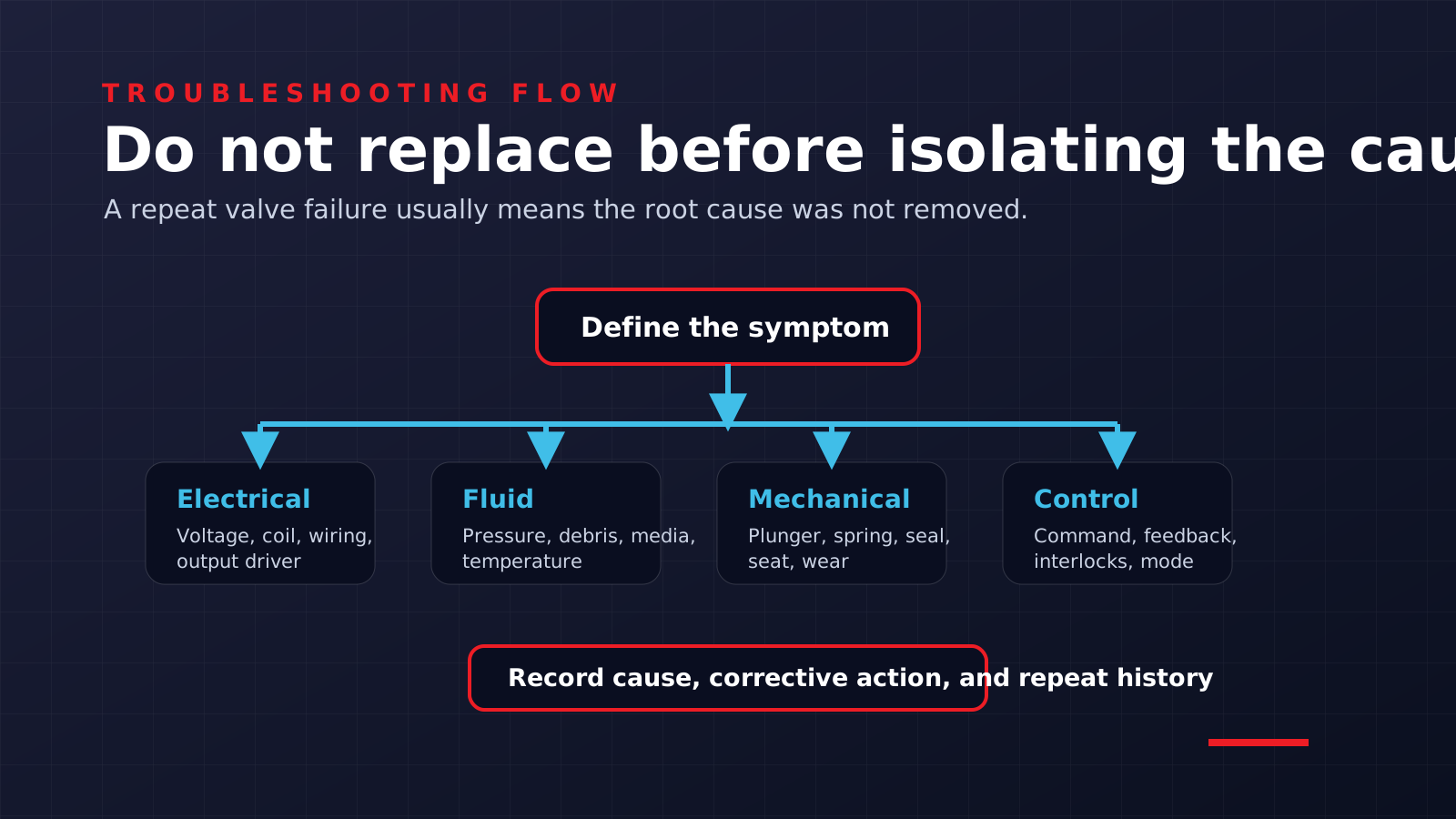
Separate cause families before approving replacement.
A repeat valve failure often means the team replaced the component but did not remove the root cause. The flow should separate electrical supply, fluid condition, mechanical wear, installation, and control-state logic.
Use this during maintenance review.
This inspection list is free to use on the page. Request the formatted PDF above for a print-ready field copy aligned to ISO 17359 condition-monitoring practice.
- 01
Identify valve tag, service, fluid, location, and operating state.
- 02
Record the exact symptom and when it occurred: startup, steady run, cleaning, shutdown, or recipe change.
- 03
Confirm supply voltage, frequency, wiring condition, connector condition, and voltage drop under load.
- 04
Inspect coil condition, coil rating, ambient heat, duty cycle, and moisture ingress.
- 05
Confirm fluid type, temperature, pressure, viscosity, pressure differential, and upstream filtration.
- 06
Inspect for debris, scale, sticky residue, product buildup, corrosion, and seal swelling.
- 07
Check plunger, spring, diaphragm, seat, seals, manual override, and flow direction.
- 08
Verify PLC/HMI command, interlocks, manual/automatic mode behavior, and feedback where available.
- 09
Record corrective action, replaced parts, root cause, and whether the same valve has failed before.
- 10
Update spare policy, maintenance history, drawings, and tag notes after the repair.
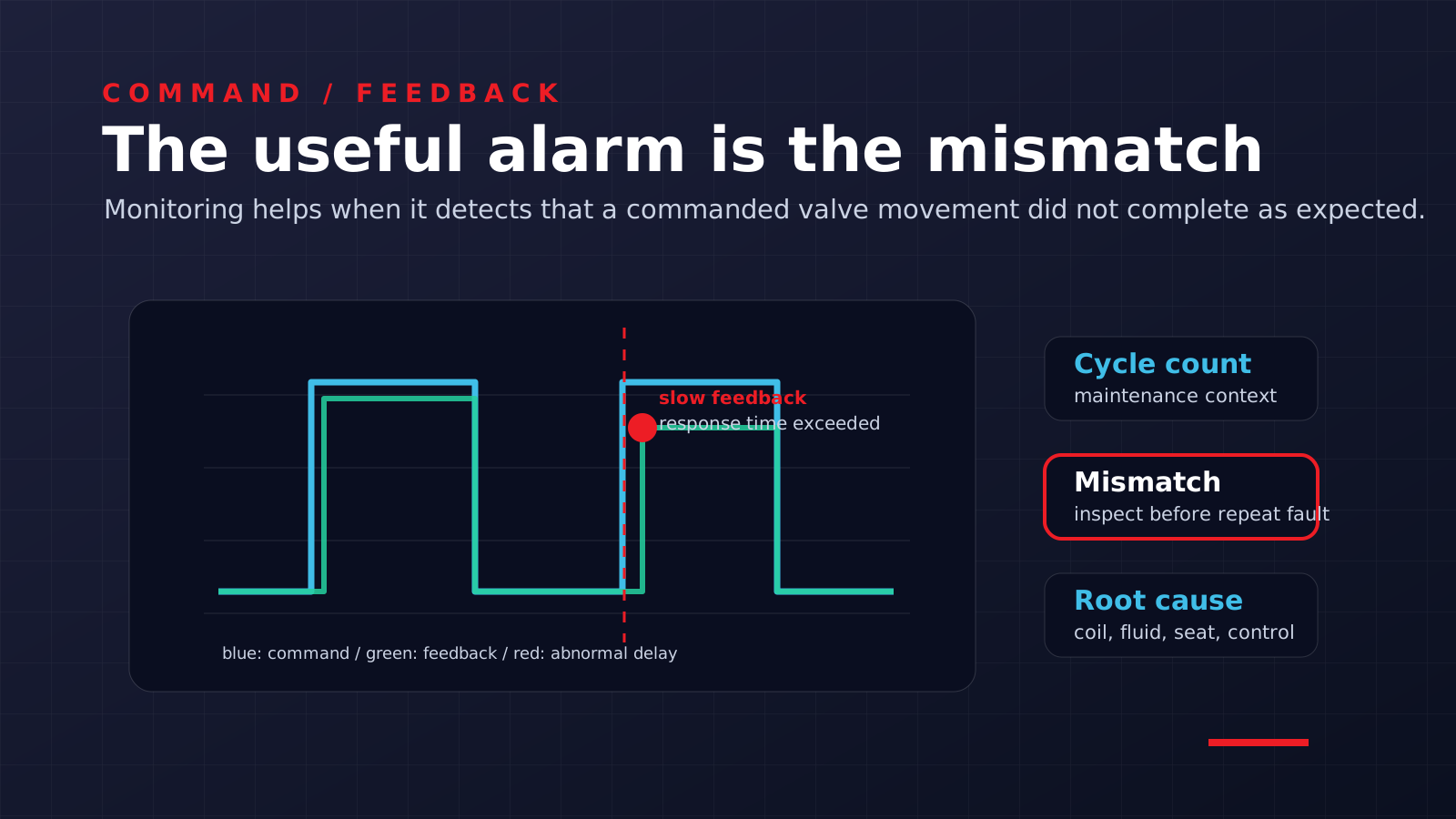
Not every valve needs IIoT. Critical valves need evidence.
Shows whether the controller asked the valve to move.
Confirms whether expected movement or end state was reached.
Finds slow actuation before full failure is visible.
Adds duty history to maintenance decisions.
Can indicate electrical or coil-side abnormalities where measured.
Helps separate valve failure from process condition.
Shows repeat failures by valve, media, environment, or operating state.
Use repeat failures to decide whether monitoring is justified.
Repeat valve failure cost =
failure events per year
x average downtime or quality cost per event
+ emergency labor and spares
+ repeat diagnosis time
If the exposed value is high, monitoring and root-cause elimination may be justified. If the value is low, better inspection discipline and spare policy may be enough.
Questions maintenance teams ask about valve faults
What is the most common cause of solenoid valve failure?
Coil failure (burnout, wrong voltage, or moisture ingress) and contamination on the seat or plunger are the two most frequent fault families. The checklist separates electrical, fluid, mechanical, installation, and control-system causes so the team treats the root cause rather than replacing the valve blindly.
How do I tell a valve problem from a process problem?
Compare commanded state, feedback state, and process condition together. A command/feedback mismatch with normal supply pressure points to the valve; a correct actuation with abnormal flow or pressure points upstream. Recording pressure differential, fluid condition, and response time isolates the family quickly.
When does a solenoid valve justify condition monitoring?
When repeat failures carry meaningful cost — calculate failure events per year multiplied by downtime or quality cost per event, plus emergency labour and repeat diagnosis time. High exposure justifies command/feedback monitoring per ISO 17359 practice; low exposure usually calls for better inspection discipline and spares policy instead.